

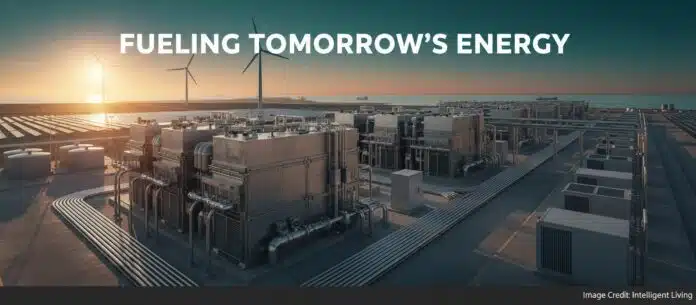
Sunfire has introduced a new 50 MW electrolyser designed to solve one of the most stubborn puzzles in industrial green hydrogen: how to lower the full cost of building large-scale projects. The company reports that its HyLink Alkaline 23 system can slash total installed costs by as much as 50% compared to traditional setups. Sunfire’s claim arrives in a market where installed electrolyser system costs can still sit in the thousands of dollars per kilowatt once you account for construction and site integration.
Refineries, chemical plants, and ammonia producers are hunting for scalable clean hydrogen solutions that integrate into existing industrial construction. Focus is shifting away from laboratory breakthroughs and toward repeatable hardware that performs under rigorous commercial conditions. Clean hydrogen production must simplify engineering and shorten installation timelines to remain viable for these high-emission sectors.
Large-scale projects feel like standard infrastructure when using these modular blocks to reach triple-digit megawatt capacity. Heavy industrial sites no longer require custom science experiments for every new installation. Engineering simplicity reduces integration complexity and lowers the barrier to entry for clean energy adoption.

Decoding the Sunfire HyLink Alkaline 23: A 50 MW Industrial Block
HyLink Alkaline 23 Technical Specifications and Performance Metrics
Sunfire’s HyLink Alkaline 23 is a 50-megawatt pressurised alkaline electrolyser module engineered for large-scale outdoor deployment.
The system operates at a standard pressure of 30 bar(g) and reaches a maximum output of up to 1,000 kilograms of hydrogen per hour. It achieves roughly 67% efficiency on a lower heating value basis using direct current input.
A detail that matters for scale is how the machine is packaged. Sunfire positions the 50 MW module as a standardised block built from multiple industrial stacks, which is meant to make triple-digit megawatt projects feel less like custom construction and more like repeatable infrastructure.
Scaling Green Hydrogen Projects: Why 50 MW Capacity Matters for Infrastructure
Sized for sectors that consume massive volumes of hydrogen daily, a 50 MW electrolyser is far from a small laboratory unit.
Key industries targeting this scale include:
- Oil refining operations
- Chemical synthesis plants
- Ammonia production facilities
Heavy industries need a constant, high-volume supply of hydrogen to keep their daily operations running without interruption. At full operation, the hourly output translates into tens of thousands of tonnes per year—the exact scale required to justify infrastructure investment.
On a job site, bigger modules can also mean fewer foundations, fewer cable runs, and fewer interfaces that have to be tested and certified before a plant can be turned on. Manufacturers focus on installed cost rather than just stack performance for this reason.
Reducing On-Site Integration: The Benefits of Preassembled Outdoor Electrolyser Modules
Unlike earlier modular approaches that required multiple smaller units combined inside dedicated buildings, the new system uses pressurised alkaline stack technology in an outdoor-ready, standardised block. The design is described as more preassembled and more centralised, which aims to reduce the amount of on-site integration work that usually slows down commissioning.
Industrial retrofits usually follow a predictable pattern: the hardware arrives, but the real work only begins with wiring, interfaces, and safety loops. Designing for outdoor deployment helps break this cycle by minimising unexpected site constraints.
Quick Reference: Key Features of the 50 MW Pressurised Alkaline Electrolyser
The next details are useful because they put a number on what the module is designed to do, not just what it is called. Sunfire’s published technical specifications describe the module as outdoor, 30 bar(g), and sized as a 50 MW industrial block.
- Technology: Pressurised alkaline electrolysis
- Capacity: 50 megawatts per module
- Operating Pressure: 30 bar(g)
- Hydrogen Output: Up to 1,000 kg per hour
- Efficiency: Approximately 67% LHV (DC)
- Deployment Style: Outdoor, modular industrial block
- Claimed Benefit: Up to 50% reduction in total installed cost compared to earlier configurations
Taken together, the headline is scaled with fewer moving parts on site, which is why the product pitch focuses on construction and commissioning. The practical question for developers is whether these specs translate into shorter schedules and fewer surprises once the module is installed in a real industrial corridor.

How Standardised 50 MW Designs Optimize Green Hydrogen Project Economics
Lowering CAPEX: Why Total Installed Cost Determines Project Viability
Understanding the Components of Electrolyser System Installed Costs
The price of an electrolyser stack is only one slice of what an industrial buyer ends up paying. Total installed cost includes civil engineering, electrical integration, balance of plant equipment, buildings, commissioning, and the risk buffers lenders often demand before financing a large project.
Even the definition of installed cost can shift from project to project. One developer might include water treatment and compression inside the same scope, while another treats those as separate packages. This variance is part of the reason cost comparisons are so slippery.
Identifying Hidden Drivers of Green Hydrogen Project Cost Overruns
Think about what happens during a simple warehouse renovation. Everything looks easy on a slide deck, but the work often stalls when new wiring, ventilation, and safety systems start piling up behind the walls. Hydrogen projects have the same hidden layers, especially when every interface has to be verified for pressure, purity, and safety.
Schedule risk turns into money risk because of these factors. When commissioning drifts, crews stay longer, contractors file change orders, and early production revenue keeps sliding into the future.
Achieving Efficiencies of Scale with 100 MW Modular Hydrogen Clusters
Sunfire’s framing centres on this broader definition of cost. In certain layouts, shrinking a 100 MW build to just two blocks allows developers to avoid dedicated electrolyser buildings entirely. This approach can reduce the number of electrical connections, piping interfaces, and commissioning checks that have to be completed under tight schedules. Every removed interface is one less place for delays, rework, or site constraints to creep into the final bill.

The Hydrogen Production Process: How 50 MW Alkaline Electrolysis Works
The Water Splitting Mechanism: From Pure Water to Industrial Hydrogen Gas
Electrolysis splits water into hydrogen and oxygen using electricity. Inside an alkaline electrolyser, water mixed with an electrolyte solution carries ions between electrodes while an electric current drives the reaction. Because alkaline electrolysers are among the most mature commercial options, the basic chemistry is well understood even as manufacturers try to package it into larger modules.
The system works like a giant high-capacity separator. Water flows in, electricity splits the molecules, and hydrogen gas exits through one side while oxygen is caught on the other.
Electrical Power Requirements for a 50 MW Hydrogen Module
A 50 MW rating refers to the electrical power input capacity. More electrical power means more water can be split per hour, which is why electrolyser scale is tied directly to power contracts, grid connections, and renewable generation availability.
If the electricity is renewable, the hydrogen is often labelled ‘green hydrogen’ because the production avoids fossil fuel combustion at the point of generation.
Optimising Electrolyser Utilisation with Intermittent Renewable Energy
The question of whether 50 MW is big enough comes up quickly once real wind and solar output is involved. Strategic green hydrogen hub developments illustrate why aligning electrolyser capacity with actual renewable power flows is more practical than chasing peak nameplate ratings.
Capacity alignment is vital for maximising utilisation because a module that sits idle for long stretches turns a promising cost estimate into an expensive reality.
Primary Industrial Applications and Off-Take for Large-Scale Hydrogen
Piping up to 1,000 kilograms of hydrogen per hour into refining processes allows facilities to swap fossil-derived supply for carbon-neutral alternatives. Industrial operators prioritise these output terms over theoretical formulas. This hydrogen can be piped into refining processes or chemical reactors that traditionally rely on fossil-derived hydrogen.
In a refinery setting, this can lower the carbon intensity of fuels without rebuilding an entire site, because the hydrogen demand already exists and the infrastructure is already there.

Industrial Demand Synergy: The Role of High-Pressure Hydrogen Output
Reducing Downstream Costs: The Economic Advantages of 30 Bar Production
Evaluating the Balance of Plant: Downstream Hydrogen Compression Costs
Hydrogen is rarely used at the exact pressure at which it is produced. In practice, hydrogen is often produced around 20–30 bar and then compressed before transport, and that compression adds equipment, energy use, maintenance, and design complexity.
Compression acts as a hidden line item in industrial budgets, consuming energy and maintenance resources to push gas into storage or pipelines. Every bar of pressure added at the production stage reduces these long-term operational costs.
Minimising System Complexity with High-Pressure Electrolyser Output
By producing hydrogen at 30 bar, the HyLink Alkaline 23 system operates at a higher pressure than some traditional configurations. While this higher production pressure does not eliminate compression in every scenario, it can reduce how much downstream compression equipment is required in certain plant designs.
If fewer compression stages are needed, the balance of plant can shrink, and the energy spent squeezing hydrogen into the right pressure window can also decline.
Simplifying Facility Upgrades: Retrofitting Existing Industrial Plants
Picture a mid-sized chemical plant that wants cleaner hydrogen but cannot afford a full rebuild. If incoming hydrogen already meets part of the required pressure threshold, engineers may be able to simplify piping layouts or select smaller compressors.
Over years of operation, smaller compression hardware often means fewer maintenance shutdowns and fewer performance surprises when the plant is running close to its limits.
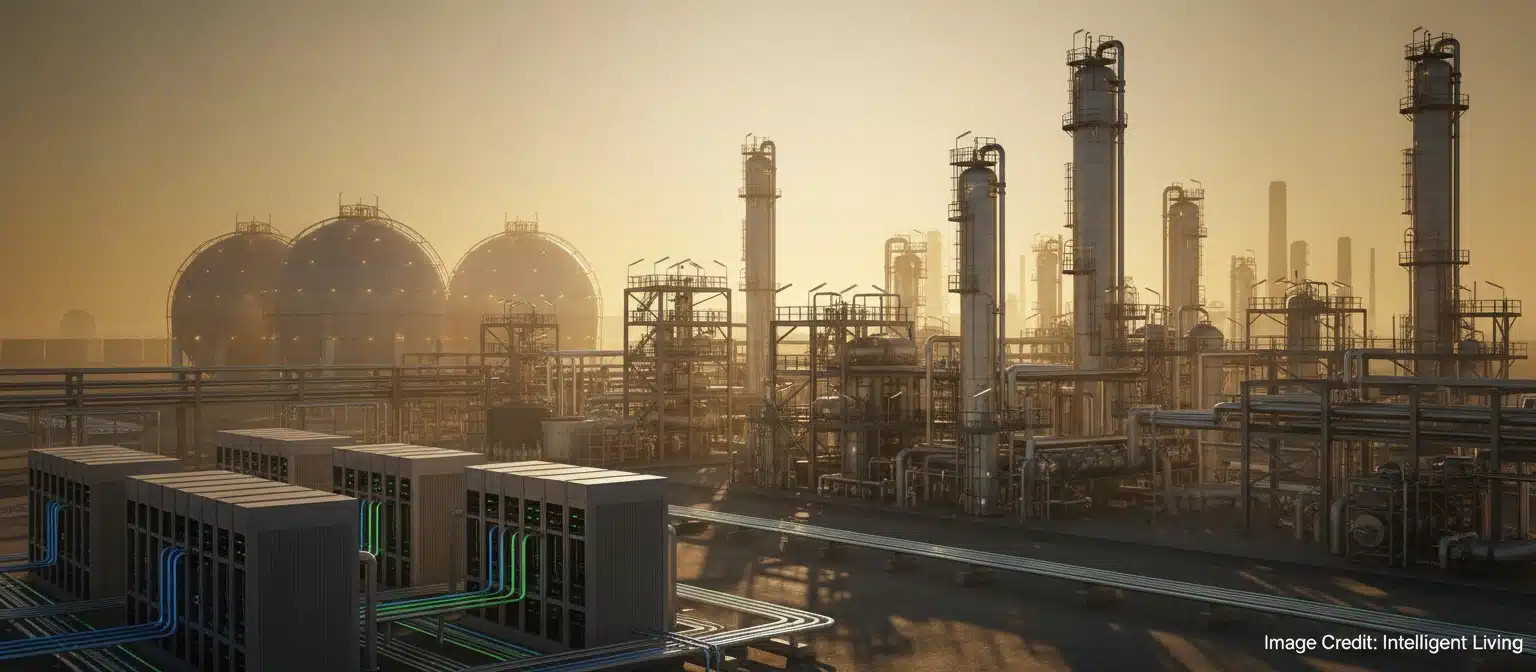
Early Adopters: Green Hydrogen in Refineries, Chemical Synthesis, and Ammonia
Industrial Market Segmentation: Prioritising Heavy Industry Over Consumer Use
Industrial hydrogen demand is already concentrated in sectors such as oil refining, ammonia production, and chemical manufacturing. These facilities consume large quantities of hydrogen daily.
In many regions, hydrogen supply is still dominated by fossil fuels. This reliance is precisely why industrial buyers are hunting for cleaner, scalable substitutes.
Leveraging Existing Infrastructure in Refineries and Chemical Complexes
Refineries represent a logical early market because they already have hydrogen handling infrastructure in place. Replacing fossil-derived hydrogen with electrolytic hydrogen can reduce carbon emissions without redesigning entire process units.
Many refineries use hydrogen in processes that remove sulphur and improve fuel quality, so a cleaner hydrogen supply can connect to compliance goals without changing the basic purpose of the facility.
Market Adoption Case Study: Spain’s Renewable Hydrogen Refinery Clusters
Strategic builds in Spain illustrate where module-scale electrolysis is landing first: industrial hubs with steady hydrogen demand and long planning horizons. Projects like the Petronor renewable hydrogen facility in northern Spain target up to 15,000 tonnes of output for refinery processes.
This type of project shows where module-scale electrolysis is being aimed first: existing industrial hubs with steady hydrogen demand and long planning horizons.
Commercial Deployment Signals: Repeat Orders for Standardised Modules
Sunfire says two 100 MW electrolyser orders in Spain are intended for industrial sites in Cartagena and Muskiz. This is a sign that renewable hydrogen is being treated as an upgrade to existing supply chains.
If those projects move to operation on schedule, they will function as reference points for how quickly a standardised module can be deployed across multiple sites.
De-risking Investments: Bankable Templates and Supply Chain Maturity
Industrial buyers are trading custom-built pilot systems for repeatable project templates as the green hydrogen supply chain matures. Standardised 50 MW blocks satisfy the appetite for predictable engineering, bankable scale, and clear cost benchmarks.

What Still Limits Green Hydrogen and What Bigger Modules Change Next
Beyond Hardware Costs: Water Scarcity and Grid Interconnection Constraints
Water Resource Intensity: Balancing Theoretical Minimums and Real-World Use
Lower installed costs do not remove every barrier facing green hydrogen expansion. Electrolysis requires significant volumes of purified water. The theoretical minimum is about nine litres of water per kilogram of hydrogen. In the real world, these systems actually need much more water to handle the cooling and purification required for industrial use.
That gap between theory and practice is where projects can run into trouble. Water has to be cleaned to very high purity standards, and the treatment equipment has its own footprint, power draw, and permitting requirements.
Integrated Solutions: Incorporating Desalination and Water Treatment Systems
A global water-for-hydrogen assessment warns that water stress, treatment capacity, and local permitting can become bottlenecks even when electricity supply is available.
In water-stressed regions, desalination for hydrogen production becomes a critical regional planning hurdle with significant trade-offs. Innovative seawater electrolysis projects demonstrate how water treatment can be engineered directly into the plant rather than managed as a separate utility.
Large electrolyser deployments face complex regional planning hurdles, such as:
- Advanced water treatment needs
- Desalination infrastructure requirements
- Local permitting and land use trade-offs
Maximising Utilisation Rates: Grid Access and Renewable Interconnection
Grid access also plays a decisive role. A 50 MW electrolyser draws substantial power. Without reliable renewable electricity contracts and grid interconnection capacity, even a well-designed module can spend too many hours underutilised.
In practice, the delivered cost of hydrogen is strongly shaped by how often the electrolyser can run at high output, not just how efficient the stack is in a controlled setting.

Strategic Impacts: 7 Ways Standardised 50 MW Blocks Transform Green Hydrogen
A larger standardised module changes more than the equipment footprint. It can change how projects are permitted, financed, and built because it reduces the number of custom decisions that have to be made on each new site.
These seven strategic shifts show how bigger modules change the game for project schedules and budgets:
- Evidence from large-scale green ammonia projects reveals how modular building blocks significantly reduce schedule risk during export-scale planning.
- Lower construction risk occurs because fewer modules and simplified integration decrease potential failure points during commissioning.
- Streamlined outdoor deployment uses ready-made designs to remove the need for dedicated buildings, cutting civil construction costs.
- Reduced compression requirements result from producing hydrogen at 30 bar, which limits downstream equipment needs in certain plant layouts.
- Observing hydrogen technology innovation trends confirms that cost reduction at scale is a primary signal of commercial maturity.
- Easier integration into industrial sites happens because refineries and chemical complexes already operate at an industrial scale, making 50 MW blocks a natural fit.
- Expanding global electrolyser deployment data makes it easier to compare performance under real-world industrial conditions.
If 50 MW blocks become common, the conversation will move faster from marketing language to measured outcomes, including build time, uptime, and delivered cost per kilogram.

What Comes After the Sunfire Launch: Competing Electrolysis Paths and Signals to Watch
Ensuring Commercial Reliability: Scaling Proven Alkaline Technology
While Sunfire focuses on scaling established alkaline technology, other innovators pursue alternative electrolysis approaches. Alternative membrane-free electrolysis architectures are currently exploring new ways to reduce material stress and improve durability.
The practical dividing line is what gets proven first at industrial uptime. Scaling a known chemistry can reduce technical risk, while new architectures are judged on their durability under commercial conditions.
Monitoring Market Traction: Key Indicators for Industrial Hydrogen Adoption
Performance Benchmarking: Orders, Uptime, and Verified Installed Costs
The most telling signal will be confirmed project orders and commissioning timelines for large-scale deployments of 50 MW modules. Publicly disclosed installed cost figures and long-term supply agreements are the proof points that separate a launch announcement from a cost shift.
Stable operation at high utilisation serves as a reliable indicator of success, often appearing in project reports long before the mainstream headlines.
Midstream Infrastructure Signals: Pipelines, Storage, and Power Transmission
Another important indicator is whether utilities and grid operators can support clusters of high-capacity electrolysers without bottlenecks. Developments like the green hydrogen supply tie-ins in Rotterdam keep the strategic focus on pipelines and storage logistics.
The expansion of regional hydrogen pipeline networks demonstrates how quickly transport infrastructure becomes the primary limiting factor for growth.
If renewable power contracts align with standardised hydrogen modules, green hydrogen projects could shift from pilot-phase headlines to routine industrial investments.

Industrial Green Hydrogen at Scale: Why Infrastructure Strategy Now Matters More than Breakthrough Hype
Realising the potential of green hydrogen depends on moving from pilot-phase headlines to routine industrial investments. As the green hydrogen supply chain matures, the focus remains on build time, uptime, and the delivered cost per kilogram. Standardising larger 50 MW blocks directly addresses the practical constraints that have historically kept industrial hydrogen projects on the drawing board.
Selecting the right technology for decarbonisation requires a focus on construction economics rather than just incremental efficiency gains. Industries facing intense pressure to lower carbon emissions need access to bankable, repeatable templates. Success in the next wave of green hydrogen will be measured by how quickly these modules can be installed and verified in real-world industrial corridors.
Green Hydrogen Electrolyser FAQ: Installed Costs, 30 Bar Pressure, and Industrial Use Cases
What is a 50 MW electrolyser used for?
A 50 MW electrolyser is an industrial-scale system that uses electricity to split water into hydrogen and oxygen. These units are typically installed at refineries and ammonia plants to replace fossil-derived hydrogen.
How does the HyLink Alkaline 23 reduce installed costs?
The system uses a preassembled, outdoor-ready design that minimises the need for dedicated buildings and custom engineering. By using larger 50 MW blocks, developers can reduce the number of electrical and piping interfaces on site.
Why is 30 bar pressure important for hydrogen production?
Operating at 30 bar allows the hydrogen to be produced at a higher pressure closer to what pipelines require. This often reduces the size and cost of downstream compression equipment needed for storage or transport.
How much water does a 50 MW green hydrogen project need?
While the theoretical minimum is about nine litres of water per kilogram of hydrogen, real-world systems use more for cooling and purification. Projects must plan for reliable water treatment infrastructure alongside power connections.
Which industries are adopting green hydrogen first?
The first wave of adoption is concentrated in oil refining, chemical manufacturing, and ammonia production. These sectors already have hydrogen infrastructure and pipes in place, making them the most logical early markets.


