

An Australian-developed hydrogen technology, evolved from Commonwealth Scientific and Industrial Research Organisation (CSIRO) research and advanced by Sydney-based clean-tech company Hadean Energy has the potential to cut green hydrogen costs and improve commercial viability of lower-emissions steelmaking.
To be tested in a AUD 30 million pilot green hydrogen plant in Victoria, which Hadean will build and operate, the facility has the backing of the Australian Renewable Energy Agency (ARENA), which has granted the project AUD 15 million ($10.5 million).
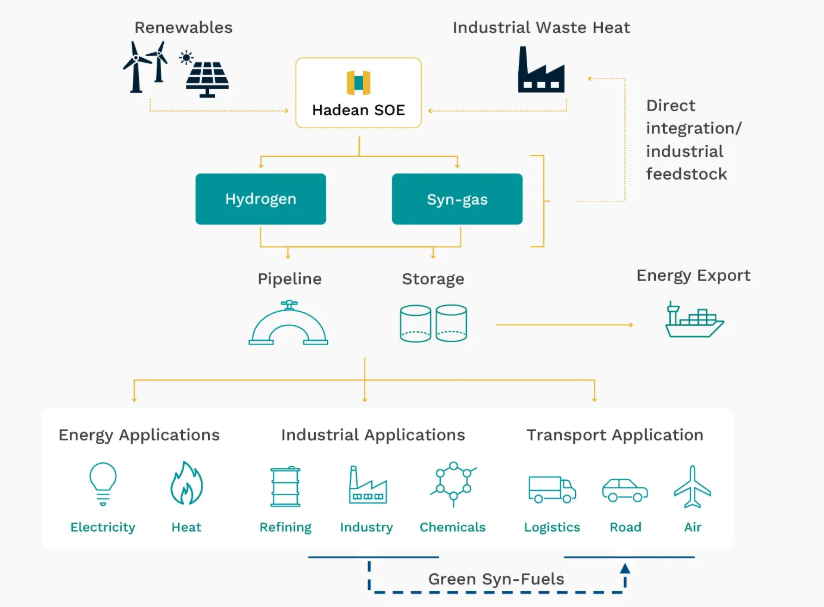
Hadean develops and commercialises tubular solid oxide electrolysis (tSOE) technology, developed by the CSIRO, which efficiently splits water into hydrogen and oxygen.
From the pilot plant, it will deploy its hydrogen product to a steel manufacturing plant to test the technology for its ability to support the goal of lower-emissions steelmaking in a real industrial setting, which is hoped will move it towards commercial use, while building local skills and supply chains.
By using waste heat from industrial processes, Hadean said the technology can reduce the amount of electricity needed to produce hydrogen by around 30% less than conventional electrolysers.
Australian Renewable Energy Agency (ARENA) Chief Executive Officer Darren Miller said reducing electricity use could help make green hydrogen more affordable and practical for industry.
“This pilot will demonstrate how Hadean’s technology performs in a real-world industrial environment and provide the evidence needed to assess its commercial potential,” Miller said.
“This could open the door to broader use of green hydrogen in steelmaking and other industrial applications, while helping build Australia’s hydrogen industrial capability.”
Federal Minister for Climate Change and Energy Chris Bowen said renewable hydrogen has an important role in cutting industrial emissions, particularly where using electricity directly is difficult.
“Bringing down the cost of producing it is critical,” Bowen said.
Federal Minister for Industry and Innovation Tim Ayres added projects like this are at the heart of the Future Made in Australia agenda.
“[That is] rebuilding Australia’s industrial capability, growing more Australian firms, and turning Australian innovation into real businesses and good jobs,” Ayres said.


