

Solar panels are getting cheaper. Wind farms are growing, batteries are improving. But one giant piece of the renewable energy puzzle remains: how do you power steel plants, cargo ships, fertilizer factories (the big energy consumers), and heavy industry without fossil fuels?
A growing group of Israeli startups believes hydrogen could be part of the answer.
Hydrogen is the most abundant element in the universe, and it’s available in water and in the air. It’s the building block of life. But producing it cleanly is difficult and expensive. Saudi Arabia has invested in green hydrogen but for the most part it is not financially viable. It was like biogas in the early days – more expensive than fossil fuels.
Most hydrogen today is made from natural gas, which releases carbon emissions. So-called “green hydrogen” is created using renewable electricity to split water into hydrogen and oxygen, but the process remains costly. That’s where some new Israeli innovation is stepping in.
H2Pro Wants to Reinvent Electrolysis
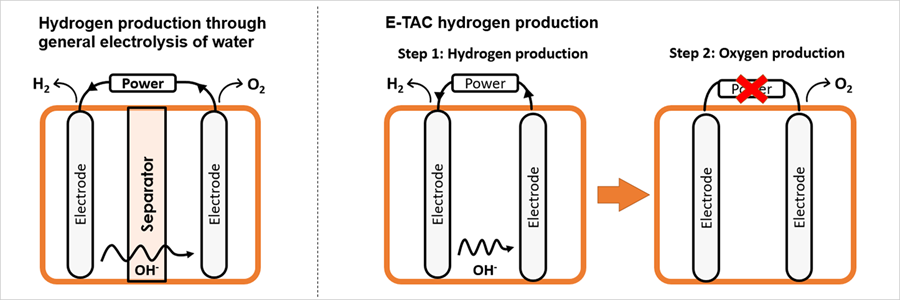
Caesarea-based H2Pro has become one of Israel’s most closely watched hydrogen companies. Founded on research from the Technion (Israel’s version of MIT), the startup is developing a membrane-free process called Decoupled Water Electrolysis (DWE). Instead of generating hydrogen and oxygen simultaneously, H2Pro separates the reactions into different stages. The company says this could reduce costs, improve safety, and allow systems to work more easily with intermittent solar and wind power. When it comes to membrane tech, Israel is a leader having developed earliest technologies in desalination to solve major freshwater problems.
The company has attracted backing from major investors including Breakthrough Energy Ventures, the climate fund founded by Bill Gates, along with industrial partners such as Sumitomo, ArcelorMittal, and Temasek, a multi-billion dollar company that owns Singapore airlines. H2Pro has raised more than $100 million USD and is moving from pilot projects toward commercial-scale deployments.
Taking Israeli Hydrogen Abroad
One of the most interesting developments is happening far from Israel.
This year H2Pro partnered with Doral Hydrogen on a solar-powered hydrogen project in Spain designed to run entirely off-grid. The first phase combines solar power with a 5-megawatt hydrogen system and is intended to demonstrate that hydrogen production can operate directly from renewable energy without batteries or grid backup.
If successful, the model could be attractive for sunny regions across the Middle East and North Africa where solar resources are abundant.
Why Hydrogen Matters
Hydrogen is unlikely to replace every gasoline car or home heating system. Batteries coupled with solar power panels, geothermal energy collection systems or wind energy trubines, are often more efficient for those jobs. But hydrogen has advantages where batteries struggle: steel manufacturing, fertilizer production, shipping, aviation fuels, seasonal energy storage, and industrial heat.
The challenge here is cost.
For years, the hydrogen industry has chased the goal of producing green hydrogen for about $1 per kilogram. Israeli startups are increasingly focused on making that target realistic through new electrolyzer designs, lower-cost materials, and systems that can operate flexibly alongside renewable energy.
Israel became a global cybersecurity hub. Then it helped reshape irrigation technology. Hydrogen may be one of the country’s next major climate-tech bets.


