

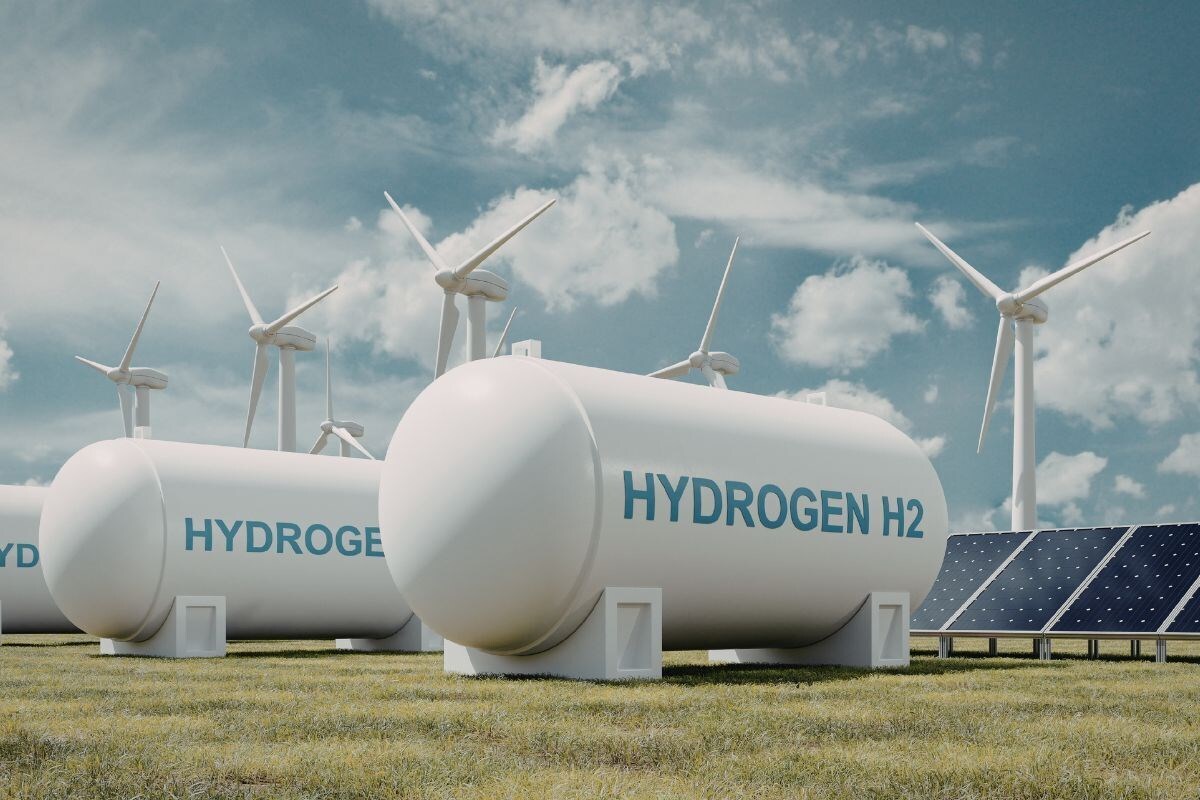
Stock image for referential purposes only
The state-owned company said the technology marked the first time such a high blending ratio has been achieved globally, according to state media CCTV.
{alcircleadd}
Previous hydrogen-coal co-firing trials internationally had largely kept blending ratios below 10 per cent, as higher ratios are prone to combustion instability, deflagration risks and excessive generation of nitrogen oxides (NOx), according to experts cited in state media.
This was previously auxiliary blending, but now hydrogen can be considered a major fuel substitute, experts said. The technology can reduce carbon emissions by up to 50 per cent when green hydrogen is used, while keeping NOx generation under effective control, they added.
China has the world’s largest coal-fired power station fleet, hosting installed capacity of about 1.26 billion kilowatts as of the end of 2025. The sector’s low-carbon transition is crucial for the country’s carbon neutrality goals, and the hydrogen co-firing path offers an alternative to carbon capture and storage approaches, experts said.
The technology fits into a broader model that China is exploring, namely using surplus solar and wind power to electrolyse water into green hydrogen, and then blending that hydrogen in coal-fired generation. The approach could help absorb spare renewable power while providing more stable electricity supply.
However, significant barriers remain before the technology can be deployed at commercial scale. The process still needs to be verified for long-term stable operation on large units, including the 1 million-kilowatt-plus plants that are the backbone of China’s coal power fleet.
The economics of green hydrogen also pose a major challenge. Current green hydrogen production costs remain high, making the blending unable to be commercially used in scale. Also, whether the manufacturing, transportation and equipment retrofit costs of green hydrogen can be reduced to match the costs incurred in coal-fired power generation remains a considerable challenge, experts said, adding that the former must also meet the strict safety standards that thermal power plants currently meet.
Note: This news is published under a content and exchange agreement with Mysteel



