

noelh584763157
About noelh584763157
Want To Have A More Appealing Realestate? Read This!
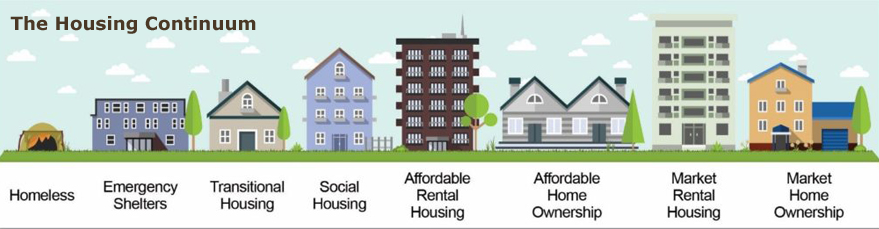 The real estate market does not move in one direction nationwide. It never has. What is happening in Austin is not what is happening in Cleveland. What is true for a three-bedroom in the suburbs of Dallas has almost nothing to do with a two-bedroom in San Francisco. Before you do anything else, narrow your focus to the specific market you are shopping in and stop reading national headlines as if they apply to you personally.
 In markets where developers managed to bring inventory to market faster than demand absorbed it, prices have pulled back. Phoenix, Austin, and parts of Florida saw corrections of ten to fifteen percent from peak levels in some submarkets. But those are the exceptions. Most markets are not working from excess; they are working from scarcity.
Affordability, by the standard measure of what share of median household income goes toward the monthly payment on a median-priced home, is near its worst level since the early 1980s. That is a real problem, and it is not going away quickly. That measure being at a historical extreme does not automatically produce a correction. What it means, practically, is that the buyer who can close confidently has more leverage than the headline numbers suggest.
Before you look at a single listing, get your financing fully sorted. Not a rough estimate. Not a verbal confirmation from a loan officer you met once. A full pre-approval based on verified income, tax returns, bank statements, and a hard credit pull. Any agent worth working with will tell you the same thing: no pre-approval, no offer.
 If the report surfaces significant deferred maintenance or structural issues, you have real choices, and walking away is a legitimate one of them. You can walk away if the scope of the problems makes the agreed price no longer reasonable. What you should not do is panic and waive your right to negotiate.
Negotiation works best when it is quiet and well-prepared. Before you make an offer, find out how long the listing has been active. A listing with a history of two failed deals in the past month is a fundamentally different negotiation than a fresh listing in a neighborhood where homes sell in under a week.
For buyers with the financial cushion to handle a repair bill without panic, this market is workable, even if it is not cheap or easy. The homes that are priced correctly for current conditions are still moving. They are going to the people who did the homework before they started looking at listings.
Buyers who take the time to research properly tend to find that there are still good properties available at realistic prices. Before you commit to a direction, browsing homes for sale and market resources can sharpen your picture of what is actually available in your price range.

No listing found.