

mayshively0085
About mayshively0085
Garage: The Google Strategy
There is a version of the housing market story that gets told over and over, and it goes like this: prices are high, rates are high, nothing is affordable, and the only people buying are the ones with cash. That version is not wrong, exactly. It is just incomplete.
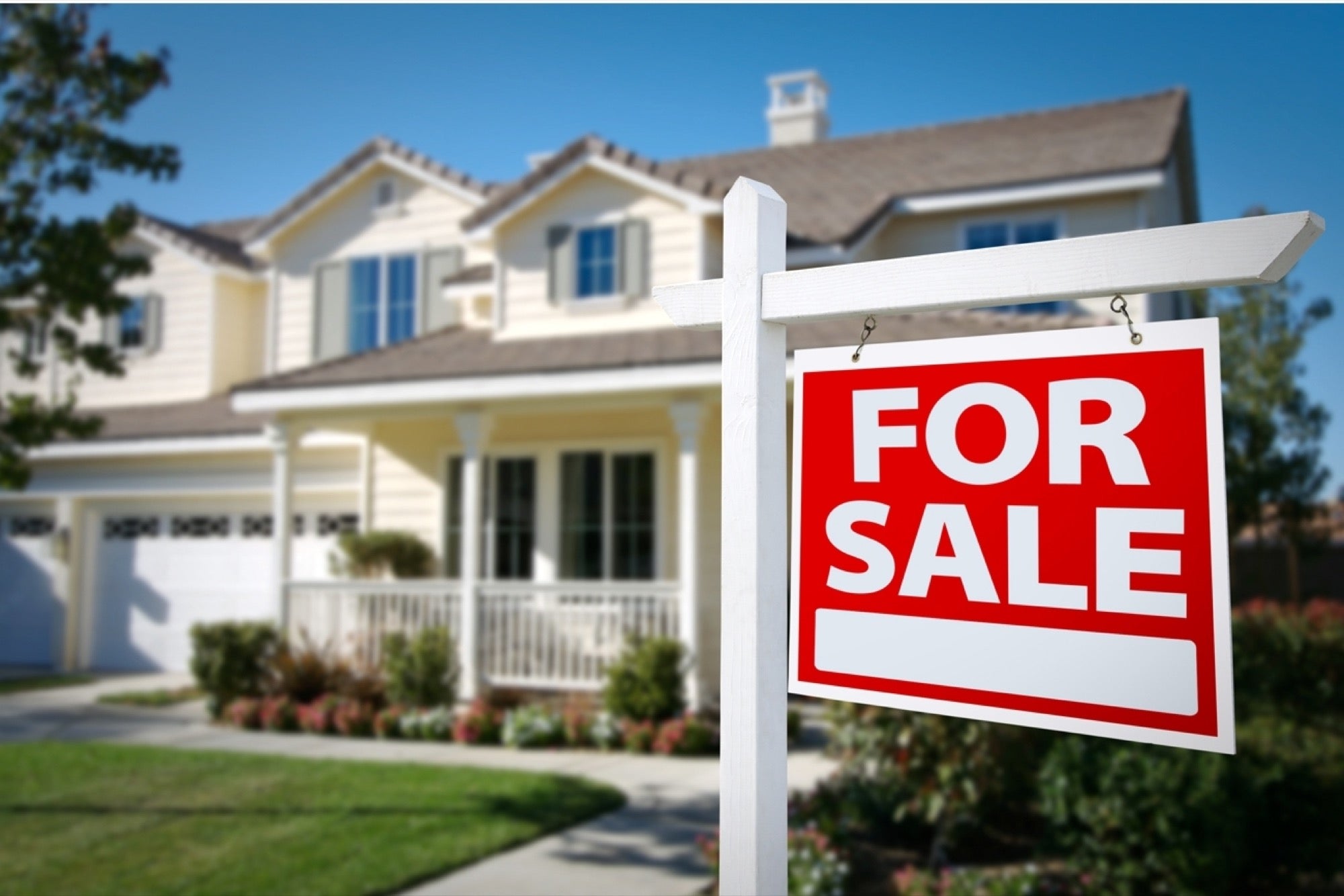 Home prices at the national level have remained well above their pre-pandemic levels even as sales volume collapsed. The reason is supply. The locked-in effect has kept available inventory at historically low levels in most markets, which means the correction that many analysts were expecting simply did not materialize the way the data suggested it should.
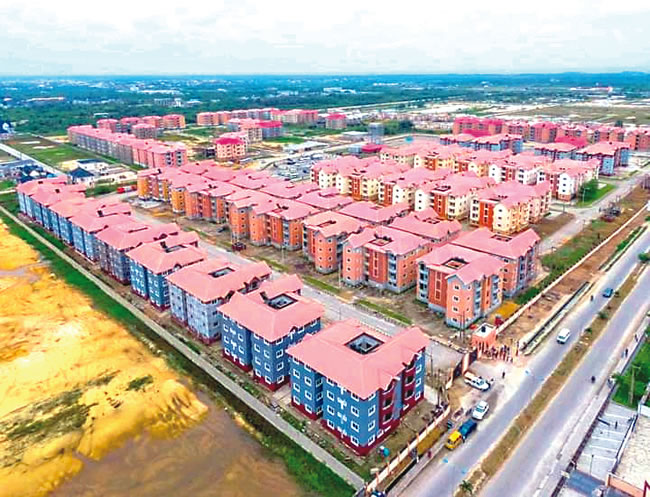 Here is what that creates for someone who has done the work before they start looking: less competition than you would have faced in 2021 or 2022. The panic buyers are gone. The buyers who showed up with letters waiving inspections and offering a hundred thousand over asking have mostly sat back down. What remains is a more functional market, even if it is not a cheap one.

 If the report surfaces significant deferred maintenance or structural issues, you have real choices, and walking away is a legitimate one of them. You can walk away if the scope of the problems makes the agreed price no longer reasonable. Signing off on a failing roof or a bad HVAC system is not the same house you made an offer on.
Budget between two and five percent depending on your loan type and the state you are buying in. First-time buyers are sometimes surprised by how much cash is required beyond the down payment itself. Ask your lender for a Loan Estimate before you make any offers, so you can plan your cash position accurately.
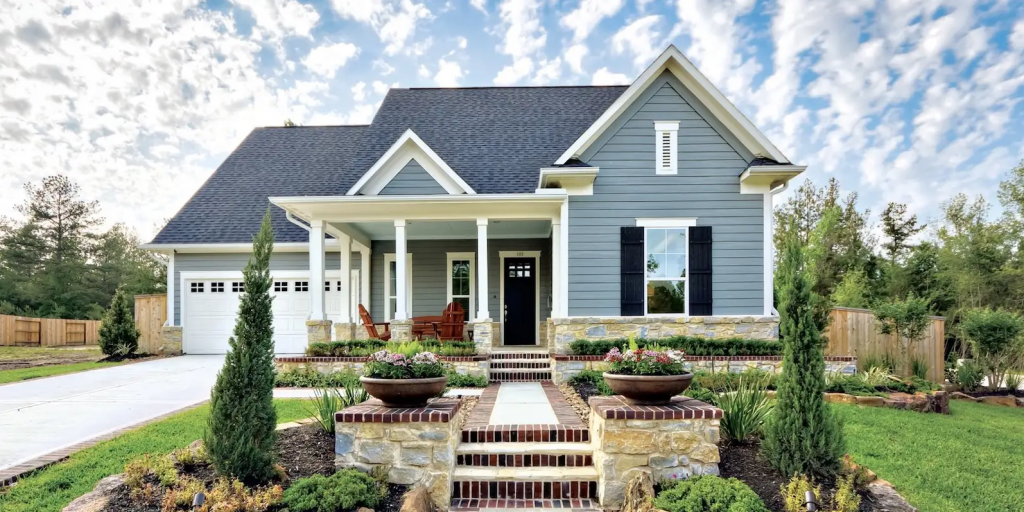 The timing question, whether to buy now or wait for rates to come down, is the one that trips up more buyers than any other single factor. The record on market timing for owner-occupied housing is not encouraging. The more useful question is not whether now is the right time in the abstract; it is whether the home works for your actual life for the next five to seven years.
Buyers who take the time to prepare before they start looking tend to find that there are still good properties available at realistic prices. Current property listings and market tools at real estate listings and data are worth bookmarking before you make any major moves.
No listing found.