

jimmyfruehauf9
About jimmyfruehauf9
Rent Tip: Make Your self Out there
The real estate market does not move in one direction nationwide. It never has. What is happening in Austin is not what is happening in Cleveland. What is true for a three-bedroom in the suburbs of Dallas has almost nothing to do with a two-bedroom in San Francisco. Before you do anything else, narrow your focus to the specific market you are shopping in and stop reading national headlines as if they apply to you personally.
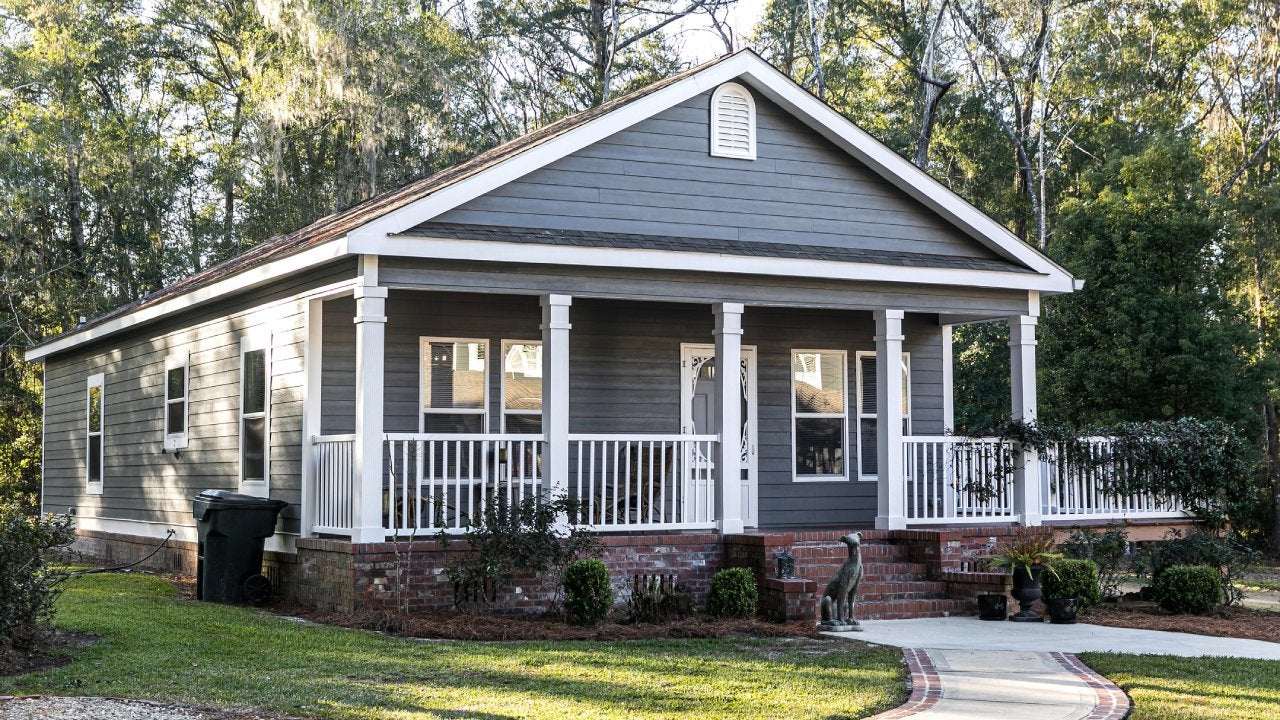 In markets where new construction has been active, prices have pulled back. Phoenix, Austin, and parts of Florida saw corrections of ten to fifteen percent from peak levels in some submarkets. But those are the exceptions. Most markets are not working from excess; they are working from scarcity.
 Here is what that creates for someone who is financially prepared and ready to move: more room to negotiate than the market’s reputation suggests. The panic buyers are gone. The buyers who showed up with letters waiving inspections and offering a hundred thousand over asking have mostly sat back down. What remains is a more functional market, even if it is not a cheap one.
Shop at least three lenders before you commit to one. A quarter-point difference in your interest rate adds up to real money that most buyers leave on the table by taking the first offer they receive. Lender fees vary too. Request itemized fee schedules so you can compare apples to apples.
The inspection is where the marketing copy meets reality. Schedule it and attend in person if at all possible. A good home inspector will walk you through what they are finding as they go, and you will learn more about the property in three hours than in any number of showing visits.
Negotiation works best when it is quiet and well-prepared. Before you make an offer, find out whether the price has been reduced and by how much. A listing that has been relisted after a cancellation is a fundamentally different negotiation than a fresh listing in a neighborhood where homes sell in under a week.
For buyers with a stable income, a down payment of at least ten percent, and a concrete plan to stay in the home for at least five years, this market is more navigable than the headlines suggest. The homes that meet real criteria at a realistic price are still moving. They are moving to buyers who showed up prepared.
Buyers who take the time to research properly tend to find that there are still good properties available at realistic prices. Current property listings and market tools at real estate listings and data are worth bookmarking before you make any major moves.
No listing found.