

cheriegillum04
About cheriegillum04
How one can (Do) Properties In 24 Hours Or Much less Free of charge
There is a version of the housing market story that gets told over and over, and it goes like this: prices are high, rates are high, nothing is affordable, and the only people buying are the ones with cash. That version is not wrong, exactly. It is just incomplete.
In markets where developers managed to bring inventory to market faster than demand absorbed it, prices have pulled back. Markets that overheated fastest have cooled most noticeably. But those are the exceptions. Most markets are not working from excess; they are working from scarcity.
 Affordability, by the standard measure of what share of median household income goes toward the monthly payment on a median-priced home, is near its worst level since the early 1980s. That is a real problem, and it is not going away quickly. A market can stay unaffordable for longer than most buyers expect to wait. What it means, practically, is that fewer people can compete for each property.
Shop multiple loan officers to compare rates and fees. A seemingly small rate difference adds up to tens of thousands of dollars over the life of most home loans. Lender fees vary too. Ask each lender for a Loan Estimate document, which breaks down all costs in a standardized format.
If the report surfaces findings that change the financial picture of the deal, you have three options, not one, and walking away is a legitimate one of them. You can walk away if the scope of the problems makes the agreed price no longer reasonable. What you should not do is panic and waive your right to negotiate.
Negotiation works best when it is quiet and well-prepared. Before you make an offer, find out whether there are other offers on the table or offers that have already fallen through. A listing with a history of two failed deals in the past month is a fundamentally different negotiation than a fresh listing in a neighborhood where homes sell in under a week.
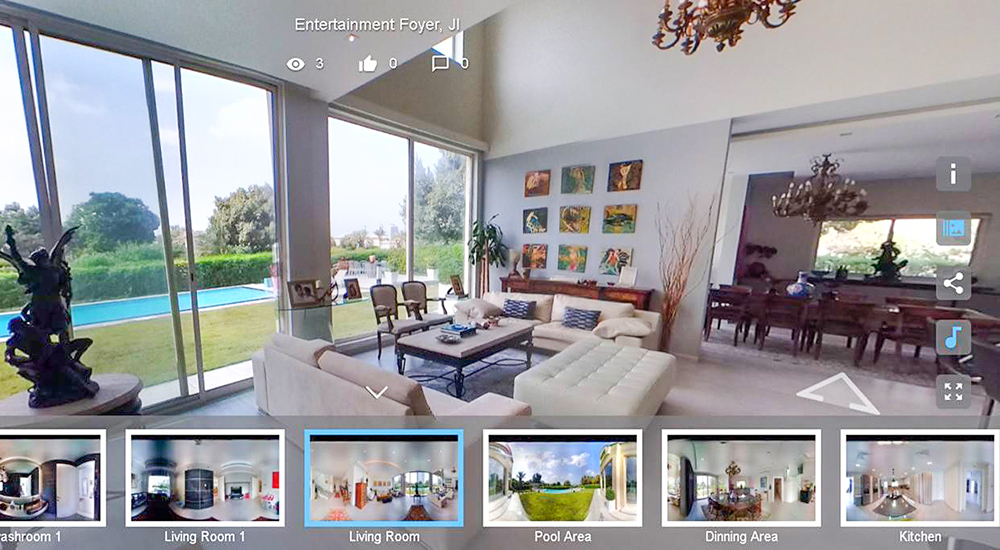 Real estate is illiquid. Buying and selling inside two years is almost always a money-losing proposition once you account for the full cost of both transactions. None of that means do not buy. It means be honest about your time horizon before you commit.
 Real estate rewards preparation more than it rewards timing. Waiting for a better market is a reasonable position only if your personal situation supports it, otherwise you are just paying rent while prices hold. A look at real estate listings and pricing data in your target area costs nothing and tells you a great deal.
No listing found.