

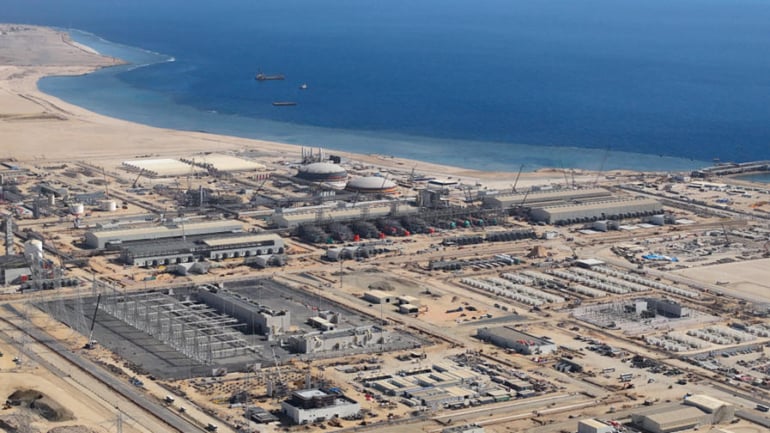
Saudi Arabia has completed construction of its $8.5 billion green hydrogen project at Oxagon, NEOM, in what could become one of the Kingdom’s most significant clean-energy developments. Built by the NEOM Green Hydrogen Company, a joint venture between ACWA Power, Air Products and NEOM, the facility has now entered the commissioning phase.
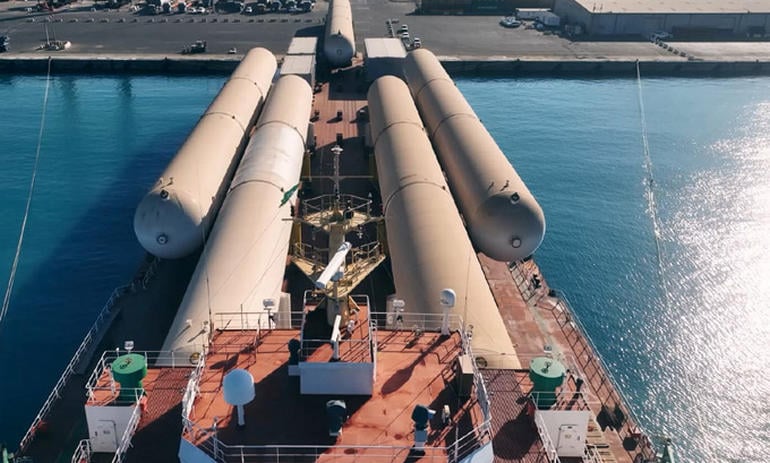
The completion marks the culmination of a project that has progressed from large-scale renewable infrastructure into the commissioning stage, with the facility now preparing for its planned commercial operations in 2027, as reported by Fast Company. Once fully operational, the project is expected to become the world’s largest green hydrogen plant, producing as much as 600 tonnes of carbon-free hydrogen every day. The hydrogen will be converted into green ammonia for export, allowing Saudi Arabia to turn renewable electricity into an energy product that can be transported by ship to international markets.
A renewable-energy complex on an extraordinary scale
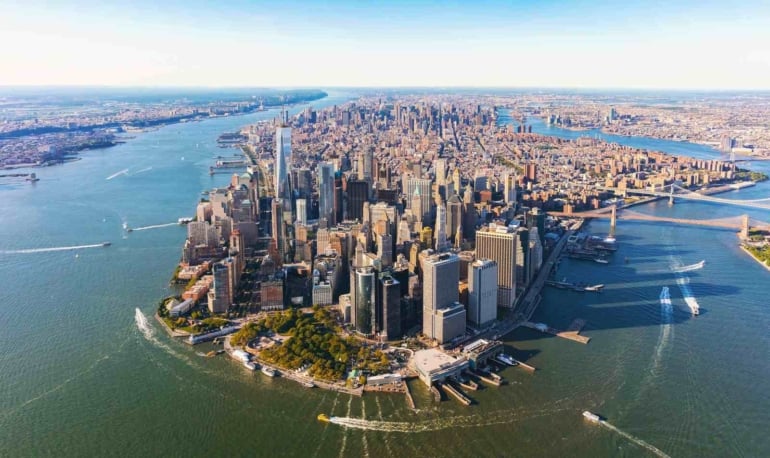
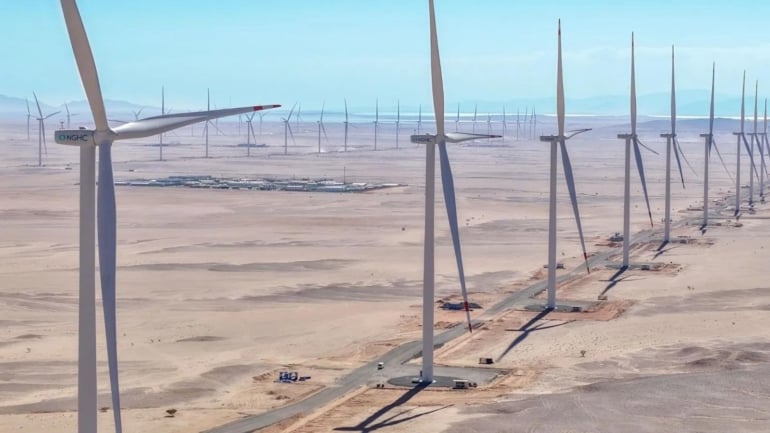
The sheer size of the development is remarkable. Its overall footprint exceeds 300 square kilometers (about 116 sq. miles), making it roughly five times the size of Manhattan. The solar installation alone is said to occupy an area comparable to Manhattan and consists of approximately 5.6 million solar panels. Alongside them are 257 wind turbines, creating a dedicated renewable-energy landscape built specifically to power the hydrogen facility.
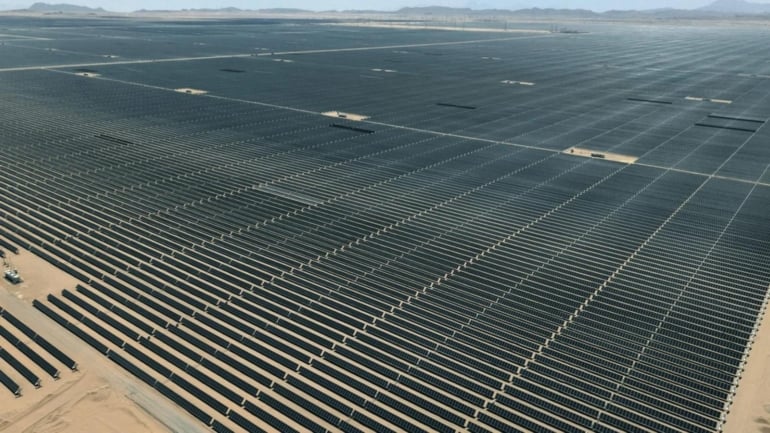
Together, the solar and wind installations are designed to provide up to 4 GW of renewable power. That electricity will feed more than 2.2 GW of electrolysis capacity, splitting water to produce hydrogen without relying on fossil-fuel-generated electricity.
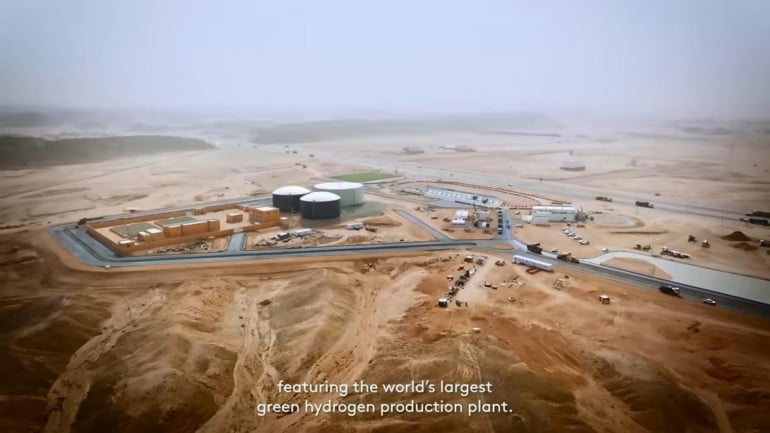
The hydrogen will then be combined with nitrogen separated from the atmosphere to produce green ammonia. This is important because hydrogen is difficult and expensive to transport over long distances. Ammonia provides a more practical way to package and ship that renewable energy overseas, effectively becoming the vessel through which Saudi Arabia can export energy generated by its sun and wind.
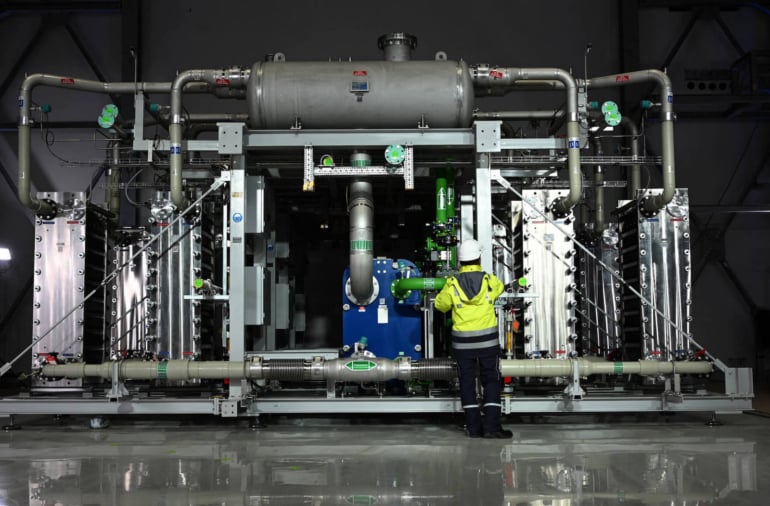
The facility is expected to produce around 3,300 tonnes of green ammonia per day, with annual output potentially reaching 1.2 million tonnes. That is roughly enough to fill 20 very large 60,000-tonne gas carriers each year. A dedicated export jetty will connect the production complex with international shipping markets.
The project has also been built around a substantial commercial framework, including approximately $6.1 billion in non-recourse financing from 23 lenders and a 30-year offtake arrangement. It was also granted Oxagon’s first industrial operating license, giving it an important place among NEOM’s emerging industrial assets.
A different kind of Vision 2030 project
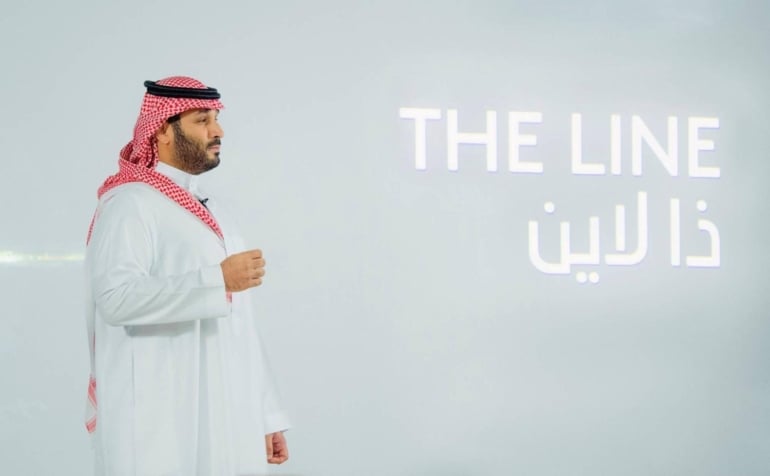
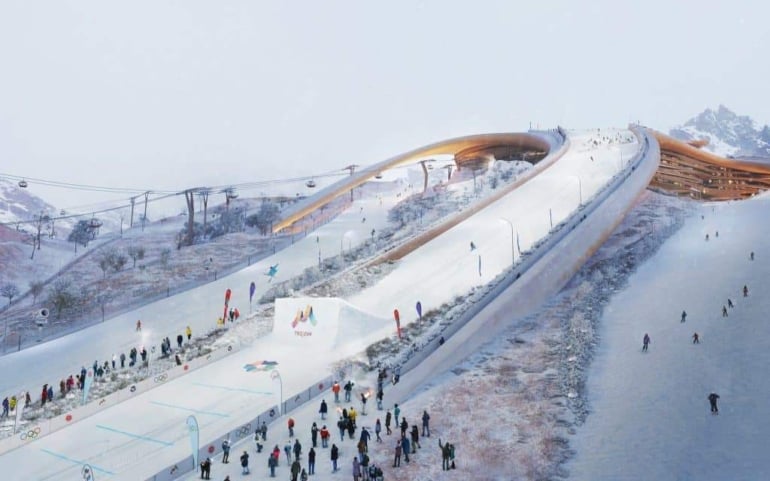
Crown Prince Mohammed bin Salman’s (MBS) Vision 2030 megaprojects, including NEOM, The Line, Oxagon and Trojena, are increasingly being reshaped around commercial practicality as Saudi Arabia contends with escalating construction costs, tighter financing and longer development schedules. The shift reflects a growing preference for investments with clearer economic payoffs rather than pursuing every ambitious concept at its original scale.
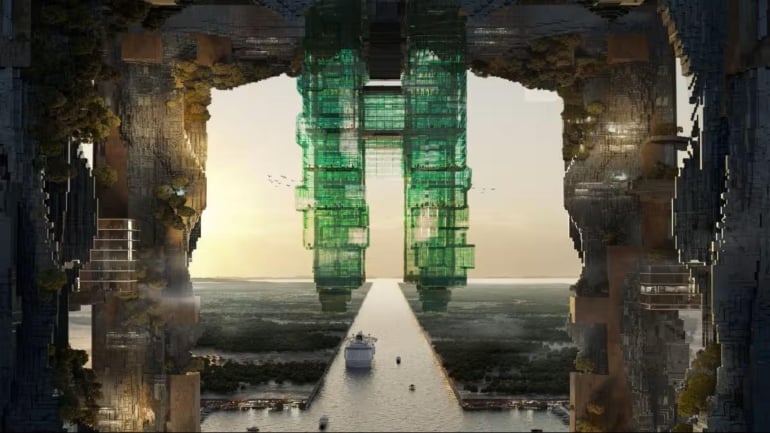
Rather than pursuing every futuristic concept at its original scale and schedule, the Kingdom is increasingly prioritizing commercially viable industries, logistics, tourism, major-event infrastructure and other projects with more immediate economic potential. The green hydrogen complex fits neatly into that shift. Unlike some of NEOM’s more speculative ideas, it is an enormous but clearly defined industrial operation with renewable-energy generation, production equipment, financing, an export facility and a long-term buyer.
It also reflects a broader attempt to reshape Saudi Arabia’s traditional role in global energy markets. Instead of extracting a finite resource from beneath the desert, the project uses two resources that are continually replenished: sunlight and wind. By adding nitrogen from the air and using its established ports and trading infrastructure, Saudi Arabia can transform those resources into a product that can be shipped around the world.
For NEOM, the achievement may therefore be less about futuristic spectacle and more about demonstrating that at least some of its grand industrial ambitions can become physical, revenue-generating assets. The millions of panels, hundreds of turbines, vast electrolysis system and export infrastructure now represent a tangible piece of Saudi Arabia’s attempt to build a new energy economy.


