

India’s hydrogen train has covered more than 1,200 kilometres between Jind and Sonipat since 17 July, avoiding over 3,200 litres of diesel use with water vapour as its only direct emission.
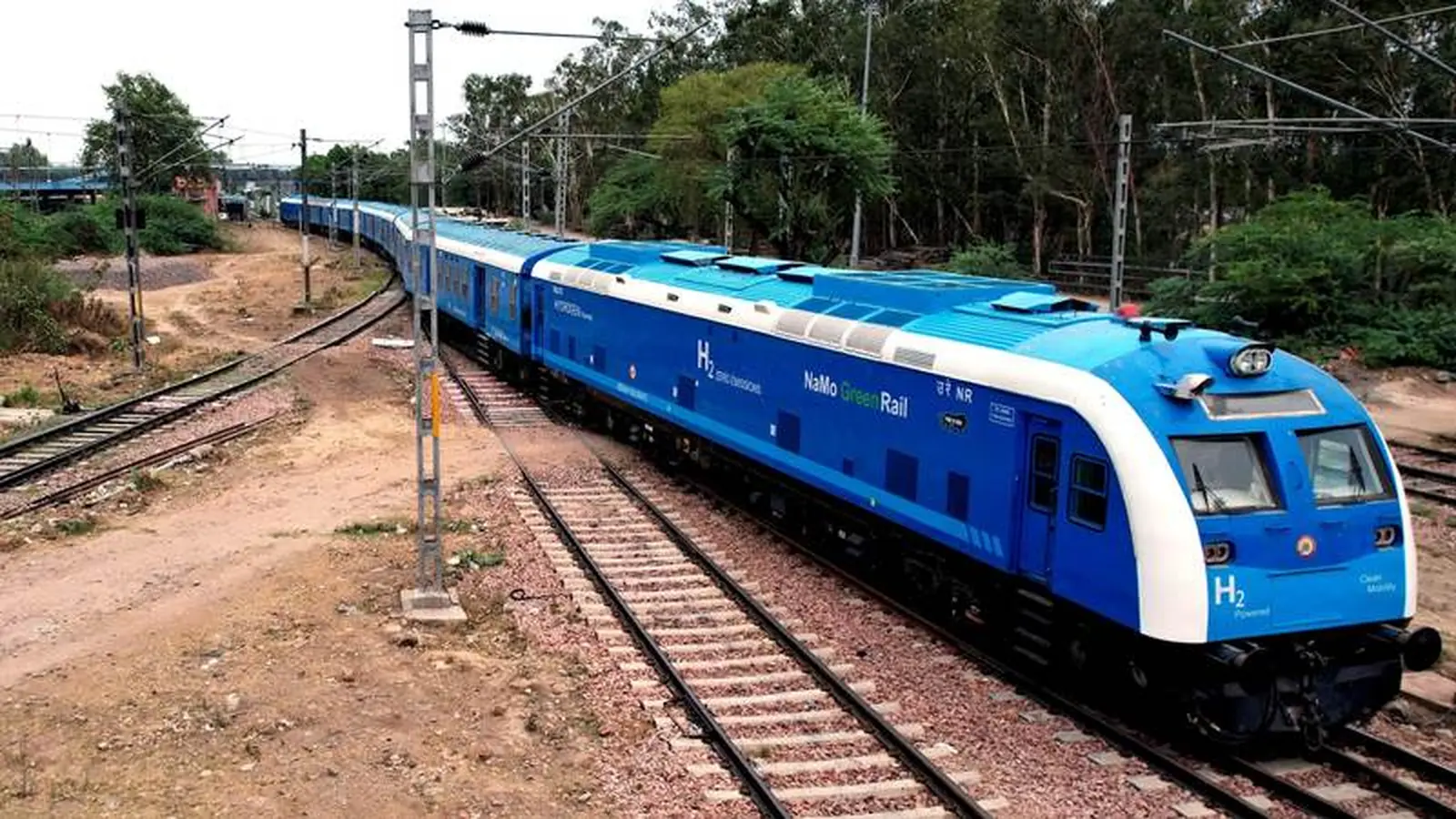
The Ministry of Railways reported the milestone on 25 July, eight days after Prime Minister Narendra Modi flagged off the domestically developed train at Jind in Haryana.
Operations on the Jind–Sonipat section have proceeded without major issues, according to the ministry. The next stage will extend testing beyond the current route, with trials in the Delhi area expected to begin soon.
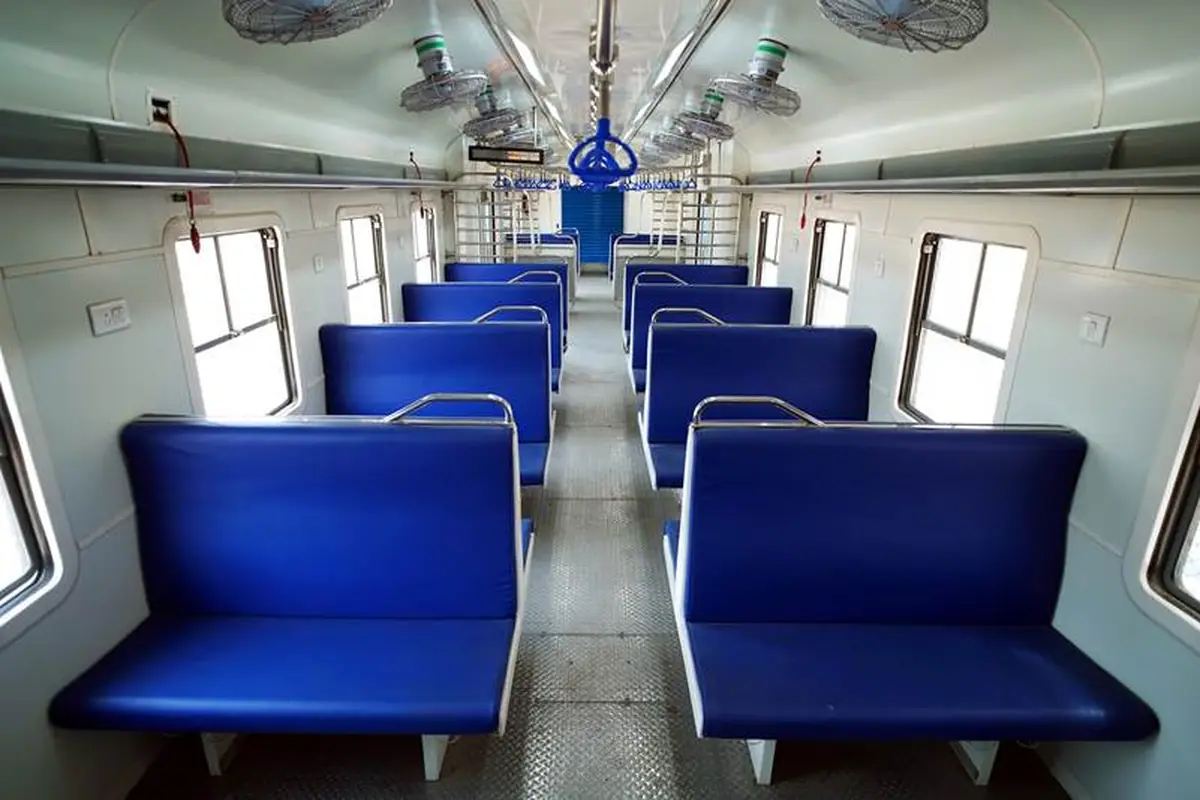
An official project briefing lists a capacity of around 2,600 passengers. The train is approved for a maximum operating speed of 75 km/h, while its design speed is 110 km/h.
Fuel cells replace onboard diesel combustion
The train generates electricity onboard through a chemical reaction between hydrogen and oxygen inside its fuel cells. That electricity powers the traction system, while water vapour is released instead of diesel exhaust.
Two Hydrogen Driving Power Cars deliver 2,400 kW of total power. Lithium iron phosphate batteries support the propulsion system, while hydrogen cylinders carry the fuel required for operation.
The absence of onboard combustion means the train produces no smoke or tailpipe carbon emissions. The project therefore allows Indian Railways to evaluate hydrogen propulsion under regular railway operating conditions rather than solely at a testing facility.
Don’t miss…DPU Failure Led to Union Pacific Derailment in Austin
Jind facility supports hydrogen train operations
Indian Railways has established its first dedicated hydrogen storage and refuelling facility at Jind. The installation can store approximately 3,000 kilograms of green hydrogen at pressures of up to 500 bar and dispense it at 350 bar.
The facility holds the required licence from India’s Petroleum and Explosives Safety Organisation. Its systems were designed around NFPA-2 and ISO 19880 standards and underwent an independent safety assessment by TÜV SÜD.
Safety equipment includes hydrogen leak and flame detectors, continuous ventilation, heat and smoke sensors, and automatic emergency shut-off systems. A standby compressor is also available to support refuelling operations.
Delhi trials will provide the next test
Indian Railways has prepared its Shakurbasti maintenance facility in Delhi to support the train. Technical personnel are accompanying operations during the initial phase, while the hydrogen refuelling system remains under continuous monitoring.
The ministry has not yet identified the precise Delhi trial route or announced a starting date. The 1,200-kilometre milestone confirms that the train and its supporting infrastructure are accumulating operational experience, but wider deployment remains a future stage.
News on railway transport, industry, and railway technologies from Railway Supply that you might have missed:


