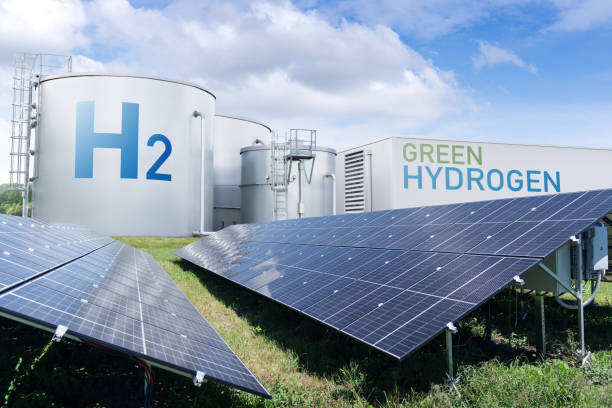
When I started building solar projects almost two decades ago, the technology worked but the economics did not. Modules were expensive, grid integration was fragile, and the commercial case depended on policy support that most governments were reluctant to sustain. What followed became one of the most consequential cost transformations in energy history, and it offers the clearest available guide to where green hydrogen goes from here.The fundamentals of green hydrogen are established. The technology is proven at scale. What the industry now requires is the market architecture to make deployment inevitable.
Capital spending on low-emissions hydrogen projects reached $4.3 billion in 2024, an 80 per cent increase from the previous year. Yet the gap between ambition and committed capital is significant. Only 9 per cent of announced projects worldwide have reached a final investment decision, and firm offtake agreements cover just 5 per cent of what the announced pipeline could produce.
Solar did not become cheap first and then find demand. Demand was mandated, confidence was created, capital followed, and scale did the rest. Between 2010 and 2015, Renewable Purchase Obligations and feed-in frameworks across several countries forced the creation of a large, bankable market. That single act unlocked manufacturing scale, technology learning, and dramatic cost reduction. Between 2010 and 2023, the global levelised cost of utility-scale solar fell 90 per cent, from $0.46 to $0.044 per kilowatt-hour. In 2010, solar commanded a 414 per cent cost premium over fossil fuel alternatives. By 2023, it was 56 per cent cheaper. Technology followed the market.
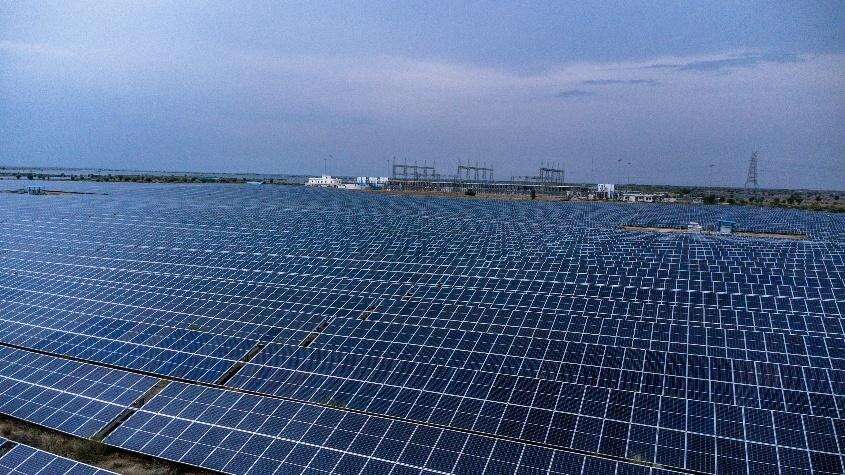
Green hydrogen today sits at exactly that inflection point. Three forces must now move together.
The first is market creation. Hydrogen will not scale through pilots alone. It needs anchor demand with long-term visibility. That demand is beginning to emerge in fertilisers, refineries, steel, and shipping, supported by procurement mandates and competitive frameworks. Once offtake certainty exists, capital follows and scale becomes achievable.
The second is the learning curve. Electrolysers today sit where solar modules were 12 to 16 years ago: expensive, fragmented, and sub-scale. The maximum scale of a single electrolyser project grew from 30 megawatts in 2021 to 500 megawatts commissioned in 2025, a 75-fold increase in six years.
As manufacturing moves from megawatts to gigawatts, localisation deepens, utilisation improves, and costs fall. Renewable energy companies that built solar at scale are already applying the same manufacturing discipline to electrolyser supply chains. Nothing magical. Just scale, repetition, and engineering discipline.
The third, and the decisive lesson from solar, is integration. Solar became truly bankable when it stopped being just generation and became a system: land, grid, storage, financing, and execution, all working together. Hydrogen demands the same approach across a more complex value chain.
Low-cost renewable power, high-utilisation electrolysers, storage, conversion into ammonia or methanol, and access to ports and markets must be designed as one coordinated system from the outset. Integration is what reduces risk, unlocks financing, and accelerates cost reduction across the entire chain.
India’s National Green Hydrogen Mission sets the right policy anchor, targeting 5 million metric tonnes of annual production by 2030, backed by investments of over ₹8 lakh crore and a production cost target of $1.5 per kilogram, with renewable energy projects across the country expected to anchor electrolyser deployment at scale. The IEA is candid about what must follow: without substantial acceleration in project development and offtake frameworks, India risks achieving less than 20 per cent of that target by 2030. The Mission establishes direction. Building the procurement and offtake architecture that converts direction into committed capital is the harder and more consequential task.
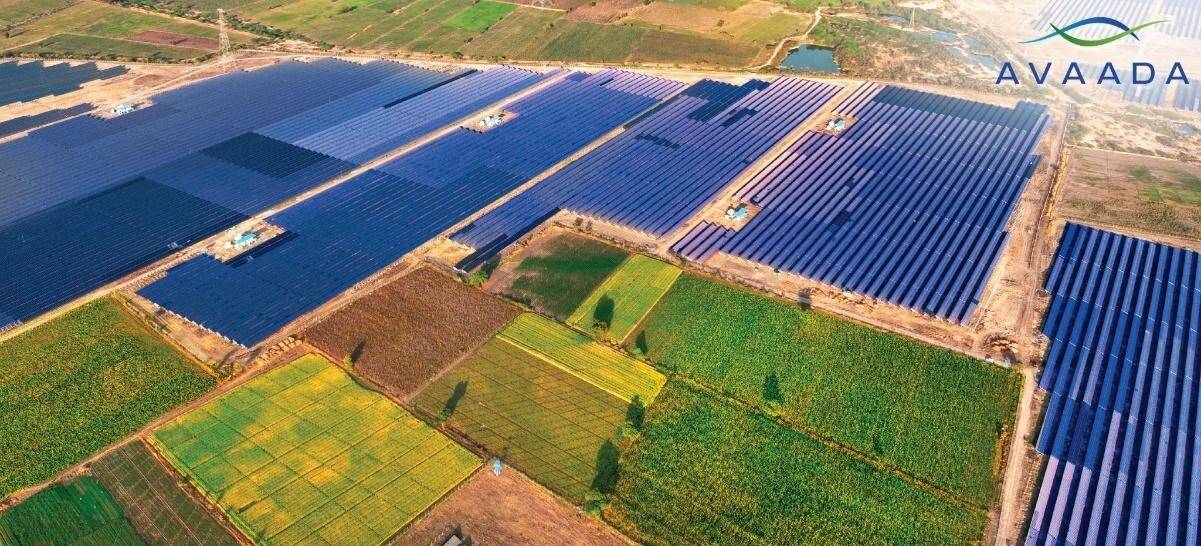
At Avaada, our renewables-to-molecules strategy is built on this exact logic. Green hydrogen produced through electrolysis is most practically stored and transported as green ammonia, a cleaner, denser energy carrier. Our Gopalpur Green Ammonia Project in Odisha, 1,500 tonnes per day developed in partnership with Swiss technology firm Casale, integrates dedicated renewable generation, electrolysis, ammonia production, and direct port access as one system, designed that way from inception.
Hydrogen is more complex than solar. The cost gap is wider, the supply chain is broader, and financing demands a higher degree of policy certainty before capital commits at scale. But the playbook is familiar.
Create the market. Scale the system. Let learning curves do their job.
If these three move together, as they are now beginning to, green hydrogen can follow a trajectory comparable to solar and become a primary source of clean energy globally within the decade.
(This article is authored by Vineet Mittal Chairman Avaada Group. The views and opinions expressed are solely those of the author. ETGovernment does not endorse or take responsibility for the content.)