

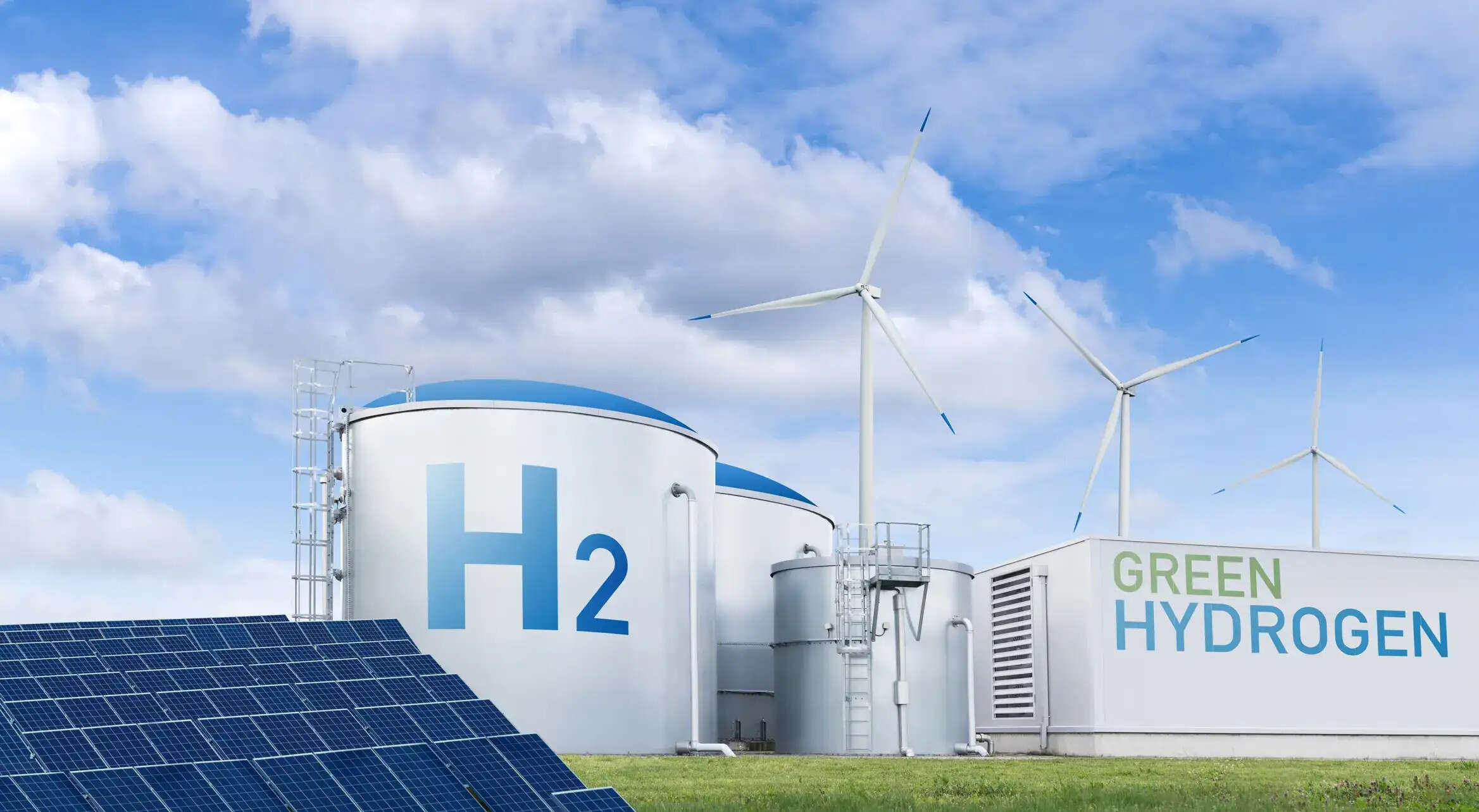
Europe’s race to lower industrial emissions and secure a more sustainable energy future has taken a significant step forward. OMV, the integrated energy and chemicals company, has secured a €450 million loan from the European Investment Bank (EIB) for its flagship green hydrogen project in Lower Austria. This financial boost is expected to accelerate the continent’s transition away from fossil fuels and enhance the competitiveness of European industry.Context: Positioning Austria as a hydrogen hubThe green hydrogen plant, currently under construction in Bruck an der Leitha, Lower Austria, is poised to become one of the largest such facilities in Europe. With a planned capacity of 140 megawatts, the €600 million project is designed to generate up to 23,000 tonnes of green hydrogen annually using renewable electricity. According to OMV, this output will supply the company’s Schwechat refinery, dramatically reducing its dependence on traditional, fossil-based hydrogen.Hydrogen produced through renewable processes is increasingly seen as a linchpin in Europe’s effort to decarbonise heavy industries, refine fuels, and create sustainable chemical feedstocks. The European Union has made green hydrogen a central pillar of its energy transition strategy, aiming to strengthen energy security while meeting ambitious climate targets.Key project milestones and strategic ambitionsOMV’s new facility is scheduled to begin operations by the end of 2027. The project is expected to slash the Schwechat refinery’s direct carbon emissions by approximately 150,000 tonnes each year, representing around 10 percent of the site’s current total. This reduction is a crucial contribution to OMV’s broader climate goals and to Austria’s national decarbonisation commitments.Reinhard Florey, OMV’s Deputy Chairman and CFO, highlighted the importance of EIB’s backing, describing the loan as a strong endorsement of OMV’s transformation strategy. He emphasised that local production of green hydrogen would enable OMV to integrate more sustainable energy sources into its processes and products. Florey also called the construction of the new plant a milestone for Austria’s industrial landscape, reinforcing OMV’s ambition to drive the energy transition both at home and across Europe.EIB’s role in Europe’s clean energy driveThe European Investment Bank, often described as the EU’s climate bank, has steadily increased its support for large-scale green hydrogen projects. During a recent site visit, EIB Vice-President Karl Nehammer stated that green hydrogen is a cornerstone of Europe’s future energy system. He noted that by enabling industrial-scale hydrogen production, EIB is helping to make European industries more competitive, secure, and climate neutral.Nehammer also pointed to the potential for such investments to lay the groundwork for future advances, including the production of sustainable aviation fuels—a key area of focus for the EU’s climate and energy security objectives.OMV’s broader decarbonisation strategyThe green hydrogen plant in Lower Austria is a key component of OMV’s Strategy 2030, which targets a significant expansion in renewable fuels and sustainable chemical feedstock output. OMV has set an ambitious aim to reach around 900 kilotonnes of renewable production capacity by the end of the decade.Beyond the new flagship facility, OMV already operates a co-processing unit and a 10 MW green hydrogen installation at its Schwechat refinery. The company is also advancing related projects in Romania through its subsidiary OMV Petrom, including 20 MW and 35 MW green hydrogen plants and a facility for producing sustainable aviation fuel and hydrotreated vegetable oil at the Petrobrazi refinery.These investments demonstrate OMV’s commitment to achieving net-zero emissions by 2050 and position the company as a leader in the energy transition among its European peers.Implications for industry and energy securityIndustry analysts say the EIB’s financial support signals growing confidence in the scalability and commercial viability of green hydrogen projects. By focusing on domestic production, OMV and its partners are also helping to reduce Europe’s reliance on imported fossil fuels, thereby strengthening the continent’s energy independence.Moreover, the move aligns with broader European trends, as governments and companies ramp up investment in hydrogen infrastructure. The sector has attracted attention from other major players such as thyssenkrupp nucera and BHEL, which have recently announced green hydrogen manufacturing collaborations in India, reflecting the global reach of the hydrogen revolution.Looking ahead: Challenges and opportunitiesWhile OMV’s project represents a major leap forward, the path to a hydrogen-powered future is not without obstacles. The sector faces challenges around technology costs, regulatory certainty, and the need for robust supply chains. However, the EIB’s involvement and OMV’s long-term investment signals optimism that these hurdles can be overcome as the hydrogen ecosystem matures.For Europe, and for Austria in particular, the successful completion and operation of OMV’s plant will serve as a model for large-scale industrial decarbonisation efforts. As other regions—including India—accelerate their own hydrogen initiatives, lessons from Austria’s approach could inform global strategies for a cleaner, more secure energy landscape.


