

While Brazil discusses how to enter the green economy, Ceará has already sold the land. The Pecém Complex gathers seven pre-contracts from energy giants totaling between R$ 60 and R$ 66 billion in investments, with final decisions expected by the end of 2026, aiming to become the largest green hydrogen hub in the country.
The names signed in the Ceará Export Processing Zone speak volumes about the size of the bet: Casa dos Ventos, Fortescue, EDF, Auren, Voltalia, FRV, and Fuella AS. Behind them are between 30 and 36 memorandums of understanding with national and foreign groups. Most investment decisions, the so-called FIDs, are concentrated for the end of this year, making 2026 the year the hub either materializes or misses the timing.
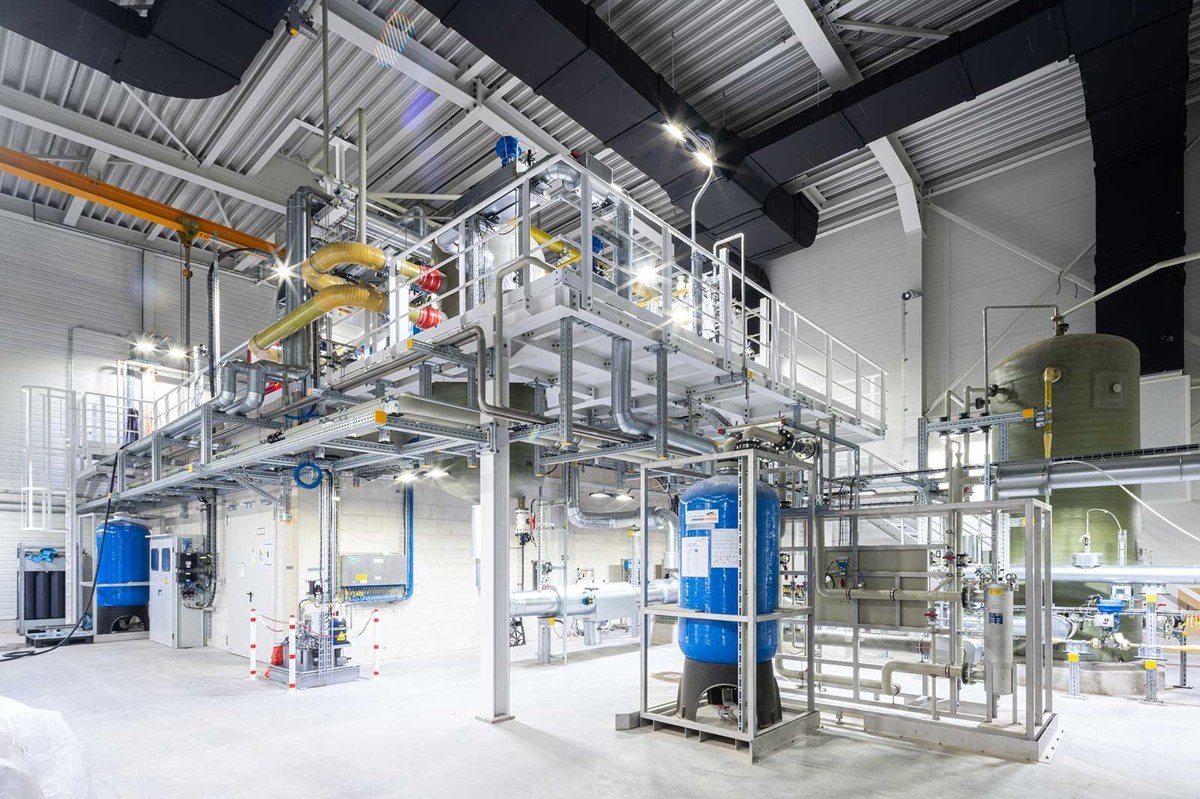
Why the Northeast became the address for green hydrogen
The choice of Ceará is no accident. The state has the only ZPE in the Northeast integrated with a large-scale port, the Pecém Industrial and Port Complex, with ten berths and the capacity to move 28 million tons per year. Add to this abundant wind and sun, the cheapest input for electrolysis that separates hydrogen from water, and the shortest maritime distance from Brazil to Europe and the United States. The result is one of the country’s most competitive routes for exporting clean energy.
The local government did its homework to attract capital. It extended the ICMS exemption in the ZPE and waived taxes on energy purchased from other states by hydrogen producers, valid until the end of 2032. It’s the kind of predictability that a billion-dollar project investor demands before signing. The projection is that the hub will generate about 80,000 jobs in the coming years, including direct and indirect jobs. It’s no coincidence that Pecém appeared as a Brazilian showcase at the Hannover Messe, the world’s largest industrial fair, attracting authorities from Germany and the Netherlands.
The leader of the race and what it will produce
Among the seven, Casa dos Ventos, now with the French TotalEnergies as a partner, is pointed out as the most advanced. In partnership with Comerc, the project plans about 1.2 gigawatts of electrolysis and up to 900,000 tons of green ammonia per year, with a total investment close to US$ 5 billion including the plant and renewable parks. The final investment decision is set for December, and exports are expected to begin around 2029.
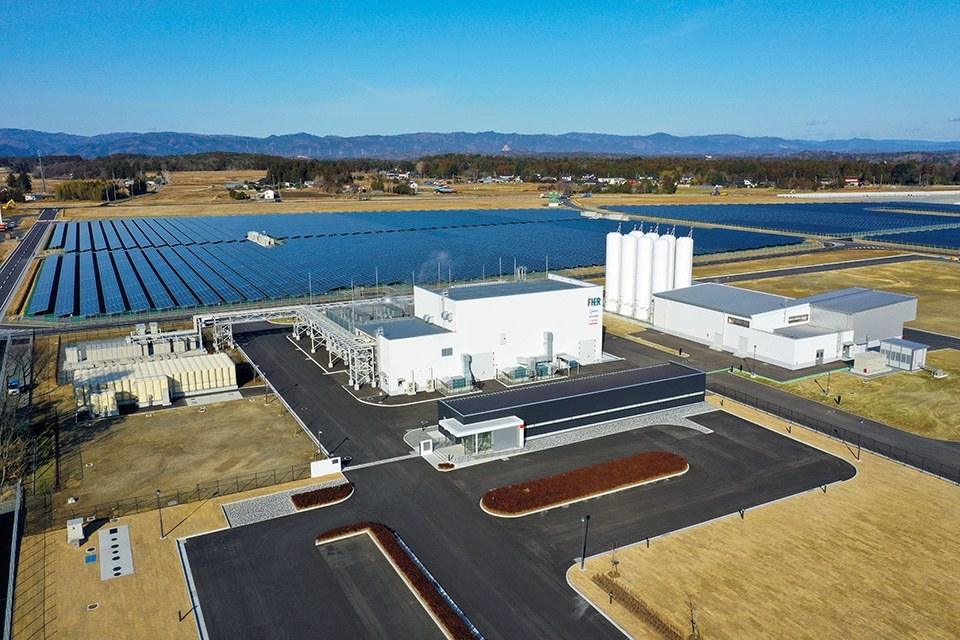
“The company has already obtained the energy management opinion from ONS and secured the buyer for the ammonia,” highlighted Max Quintino, president of the Pecém Complex, explaining why Casa dos Ventos is ahead. Having the off-taker secured, in other words, who will buy the production, is the detail that separates a real project from a letter of intent. It’s worth remembering that it was there, in Pecém, that White Martins produced Brazil’s first green hydrogen molecule, still in 2023. That symbolic milestone, done on a laboratory scale, has now turned into a billion-dollar industrial race.
Why ammonia, and not pure hydrogen
Here’s the logistics trick that supports the business. Pure hydrogen needs to be cooled to minus 253 degrees to become liquid, which is very expensive to transport over long distances. Green ammonia liquefies at just minus 33 degrees, making it the practical carrier of hydrogen for a transatlantic crossing. From the Ceará port, it will follow the Pecém–Rotterdam Green Corridor, with the Dutch port committed to receiving about a quarter of future European demand, expected to reach 4 million tons per year.
“We want to use the abundant renewable resources in Ceará and neighboring states to expand our decarbonization solutions abroad,” summarized Lucas Araripe, executive director of Casa dos Ventos. On the other side of the partnership, Marcel Haratz, president of Comerc Eficiência, is direct: “Green hydrogen is the fuel of the future, but it is already a reality and a global trend.” The storage and maritime transport logistics will be handled by an alliance of specialized companies, which have already renewed pre-contracts to operate the ammonia infrastructure at the hub.
Pecém is not running alone, neither internally nor externally. Within the hub, companies like Fortescue and EDP are competing for space, and outside, countries like Australia, Chile, and Middle Eastern nations are targeting the same European market with green ammonia projects. The window to secure long-term supply contracts is now, before the global supply accumulates and reduces the premiums paid for clean energy. Getting ahead in this game is as valuable as producing cheaply. For Ceará, securing the first firm contracts means anchoring the entire local industrial chain before international competition matures and the European market starts choosing its preferred suppliers.
However, the push from Brasília is still missing. The low-carbon hydrogen legal framework was sanctioned in 2024, but the decree regulating tax credits, expected to be in effect between 2028 and 2032, remains pending. Without this signature, part of the legal certainty that unlocks December’s decisions still hangs in the air. I wonder how much investment is held back waiting for a signature that has been announced as imminent more than once. If the decree comes out in time, Pecém can turn the Northeast wind into one of the largest green export businesses on the planet.
Will Brazil be able to lead the global export of green hydrogen before the competition?


