

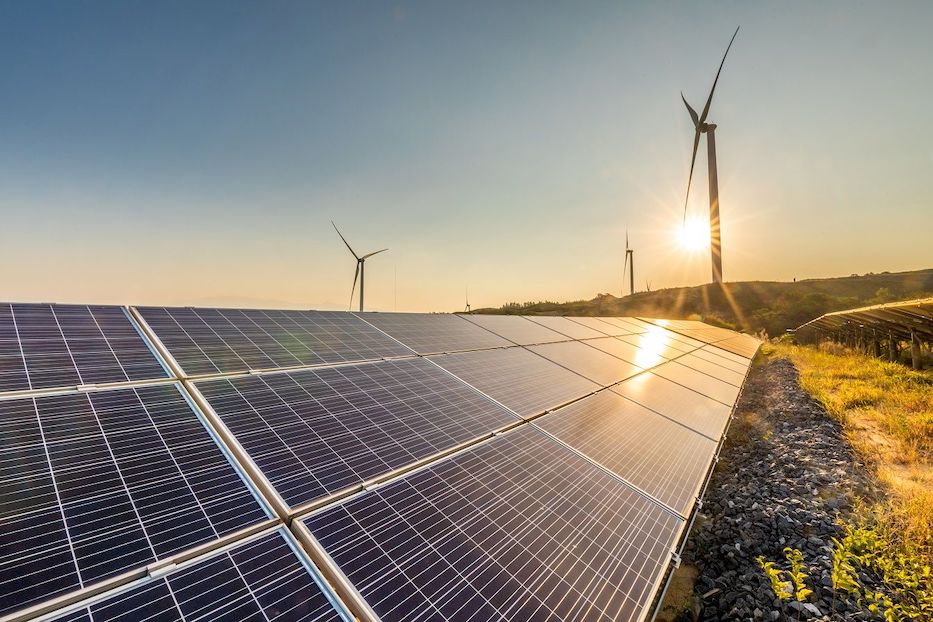
Peru’s power grid coordinator COES has approved nine pre-operational studies (EPO in Spanish) for a combined 1,600MW year to date.
An EPO is used to demonstrate that a proposed plant and associated transmission infrastructure will not hinder national grid expansion or affect the system’s safe and reliable operation.
Approval of an EPO is also required to secure a definitive generation concession.
Of the nine approved studies, five are for solar projects totaling 1,053MW, three are for proposed wind farms totaling 498MW, and one is for a 50MW hydro project.
The largest photovoltaic project is a 500MW solar park as part of the Horizonte de Verano green hydrogen project, while the largest wind project is Acciona Energía Perú’s 306MW Buena Esperanza plant.
The following table lists the other projects whose EPOs were approved in January-May.
While many welcome an increase in the number of clean energy projects entering the early-stage development pipeline, others argue that only a small number of these plants will be built.
Issues such as Peru’s robust generation reserve margin and dispatch congestion are delivering a new reality check.
In addition, some developers only seek to bring projects to a bankable stage, such as securing environmental approval and power purchase agreements, before selling them.
A forecast by energy and mining investment regulator Osinergmin highlights that at end-April there were 14 solar and five wind projects with approved EPOs and definitive generation concessions for 2,726MW and 988MW, respectively.
The number of solar and wind projects with approved EPOs but without definitive generation concessions totals 49 (11,052MW) and 35 (6,833MW), respectively.
Also read Curtailment, a key issue for Peru renewables
[insight#260217533]
(The original version of this content was written in English)


