

In 1987, a resident of Bourakébougou, Mali, peered into a well that had failed to produce any water — and promptly felt his cigarette burst into flames. His face was burned, but he survived. And his accident launched an energy industry that now seems poised for rapid growth.
That well in Bourakébougou was emitting “white” or “natural” hydrogen, which occurs naturally in the Earth’s crust. White hydrogen reservoirs, where the hydrogen is accessible, appear only in certain parts of the world. In these places, the gas can be harvested for fuel.
Today, white hydrogen wells provide power for approximately 4,000 homes in Bourakébougou. But nowhere else is white hydrogen being actively extracted. This might be about to change.
From Colombia to Germany, experts and businesses are exploring the possibility of large-scale white hydrogen extraction. The gas can power cars, houses, and more, and its consumption doesn’t produce greenhouse gases. That makes it a potential weapon in the fight against climate change.
Despite extraction challenges and a small initial market, some experts hope white hydrogen could ultimately replace fossil fuels altogether.
Hydrogen: Clean to Burn, Dirty to Produce
Unlike fossil fuels, hydrogen doesn’t release carbon into the atmosphere when it’s consumed. In fact, burning hydrogen results in a single, harmless byproduct: water.
This lack of carbon emissions has long made hydrogen an attractive option for generating sustainable energy. For example, Prime Minister Anthony Albanese of Australia pushed for the inclusion of large hydrogen incentives in his nation’s budget, and European Commission President Ursula von der Leyen has described hydrogen as “a key asset for the European Green Deal.”

Unfortunately, most projects rely on manufactured hydrogen, which is often created with fossil fuels. “Green” hydrogen provides a sustainable alternative, using renewable energy to split water into hydrogen and oxygen, but it’s extremely expensive to produce. To become commercially viable, green hydrogen would have to shed at least half of its current price, and its production will rely on subsidies for years.
These costs and drawbacks explain the rising interest in white hydrogen, which lies ready-made beneath the Earth’s surface.
White Hydrogen: A Natural Alternative
Hydrogen forms naturally in certain areas of the Earth’s crust, especially where rocks are rich in iron and magnesium. “When that iron-rich rock comes into contact with water,” says Paola Casallas of the Colombian Geological Service, “the water oxidises the rock and hydrogen is released.”
Research into natural hydrogen is only just beginning. Scientists still don’t know exactly how it forms or moves through the Earth’s crust. They’re also unsure whether it exists in large enough quantities to be commercially exploitable.
But if it is sufficiently prevalent for large-scale extraction, its low cost will make it an immediate game-changer. According to experts from the research firm Wood Mackenzie, white hydrogen “could be delivered well below US$1/kg” — which would make it significantly cheaper than manufactured hydrogen.
Related Articles
Here is a list of articles selected by our Editorial Board that have gained significant interest from the public:
Extraction and Distribution Challenges
White hydrogen offers enormous advantages over its manufactured counterparts, but it remains challenging to extract and move.
As the world’s smallest molecule, pure hydrogen often escapes during exploration or extraction. It also has a tendency to react with surrounding minerals and be consumed by microbes, meaning concentrations are inherently unstable. And even after white hydrogen has been successfully extracted, transporting it can be difficult. Under normal pressure, hydrogen occupies large amounts of space, and condensing it through pressurisation makes it extremely heavy.
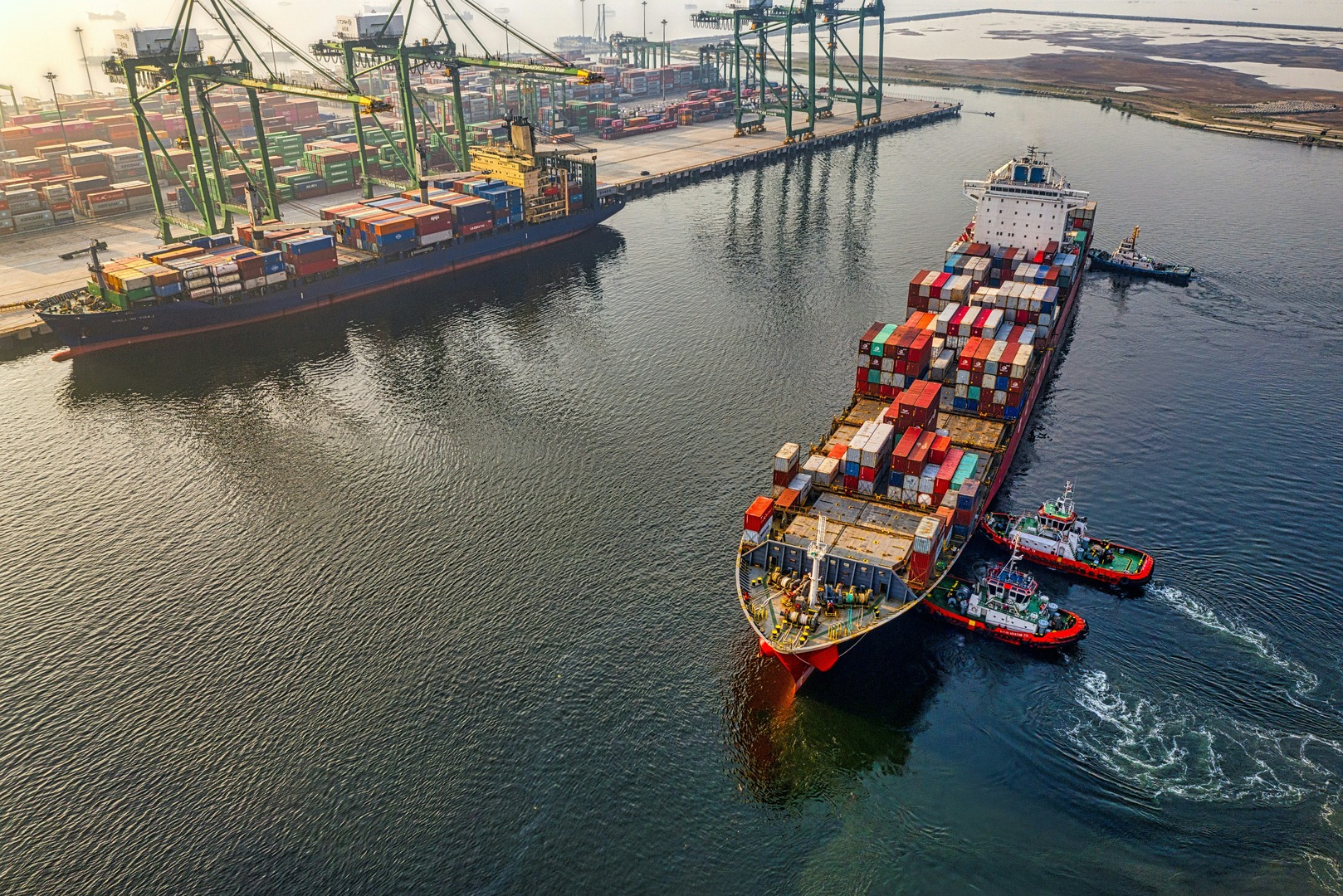
Despite these challenges, experts think hydrogen could become an important energy source, especially for large vehicles like trucks and ships that can support the extra weight.
A Newborn Industry With Massive Potential
Today, the efforts to discover, extract, and commercialize white hydrogen remain relatively small in scale. In Bourakébougou, where a company called Hydroma manages the world’s only active white hydrogen facility, the hydrogen was burned — until recently — with an old Ford engine. And due to a lack of subsidies and difficulty obtaining permits to drill, investors are often wary of gambling on white hydrogen projects.
But in recent years, that narrative has started to change. France has modified its mining code to allow for further hydrogen discovery, and regional governments in Australia have allocated grants for hydrogen projects. Meanwhile, more investors are getting on board, with Microsoft founder Bill Gates funding a company that’s seeking white hydrogen in the United States.
One way white hydrogen could become economically viable, some argue, would be for the world’s massive oil and gas companies to take the lead. These businesses have decades of experience extracting substances from beneath the Earth’s surface. And as Simon Flowers and Richard Hood of Wood Mackenzie write, “Oil and gas companies also have the capital to drive white hydrogen forward.”
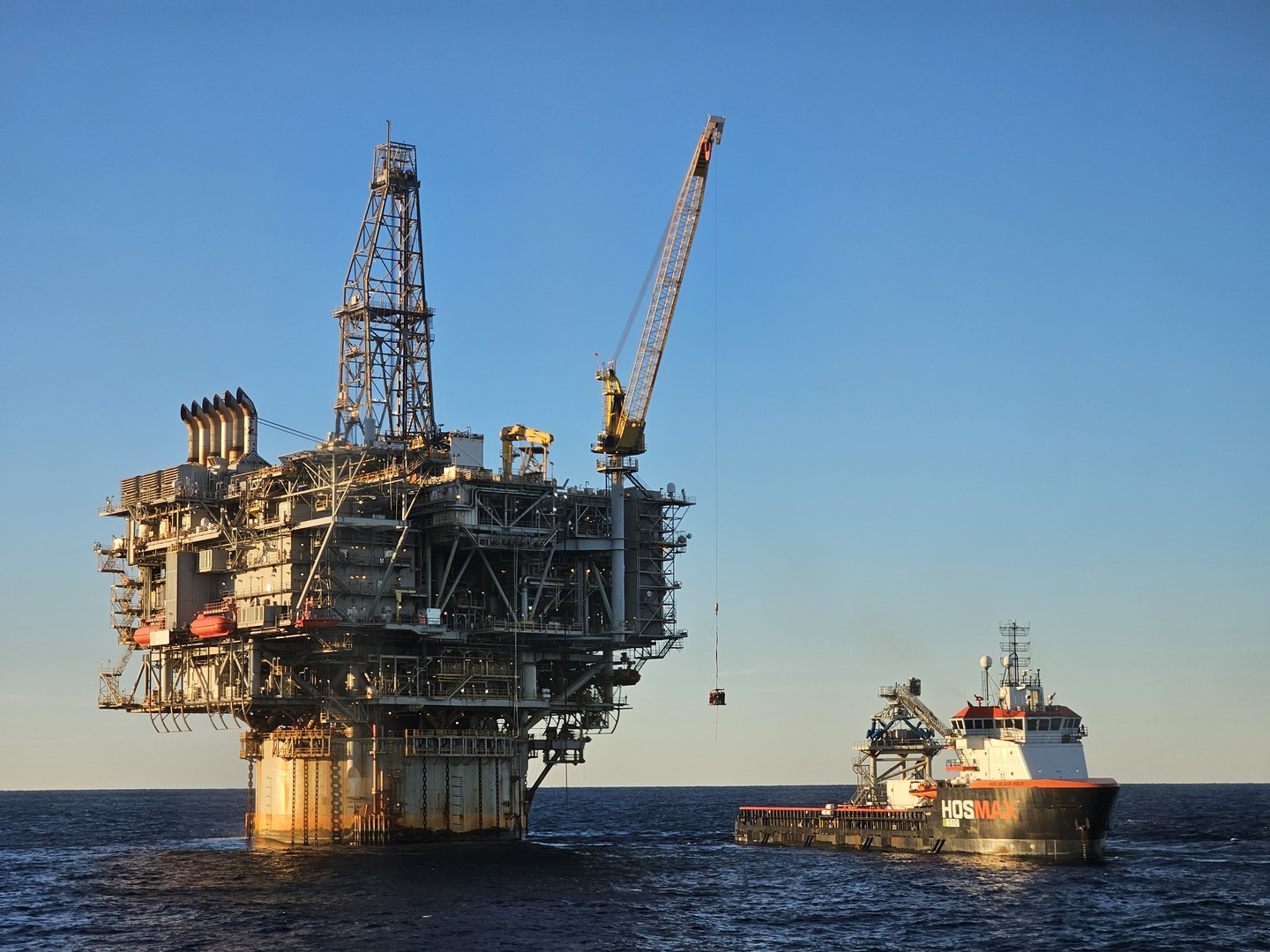
So far, these companies have remained on the sidelines. But Flowers and Hood argue that the right combination of regulations and incentives could entice them to get involved.
Shared Hope Amid Differing Expectations
Experts disagree about the extent to which white hydrogen production could reshape global energy markets. A Wood Mackenzie analysis found that, by 2050, white hydrogen could meet 6.7% of the global hydrogen demand. That would make it a significant part of the hydrogen market, but a relatively minor component of the larger energy transition.
Other insiders have more enthusiastic hopes. Viacheslav Zgonnik, CEO of Natural Hydrogen Energy, is especially optimistic, saying that he believes white hydrogen “has the potential to replace all fossil fuels.”
Editor’s Note: The opinions expressed here by the authors are their own, not those of Impakter.com — In the Cover Photo: “MSC Lisa” steaming through a very calm Port Phillip Bay, November 2023. Cover Photo Credit: Haydn.


