

Stegra is constructing in Boden, northern Sweden, the first large-scale industrial steel plant designed to produce steel with green hydrogen instead of coal. The project has already raised about $7 billion, with production scheduled for 2026, and half of the initial production is already sold.
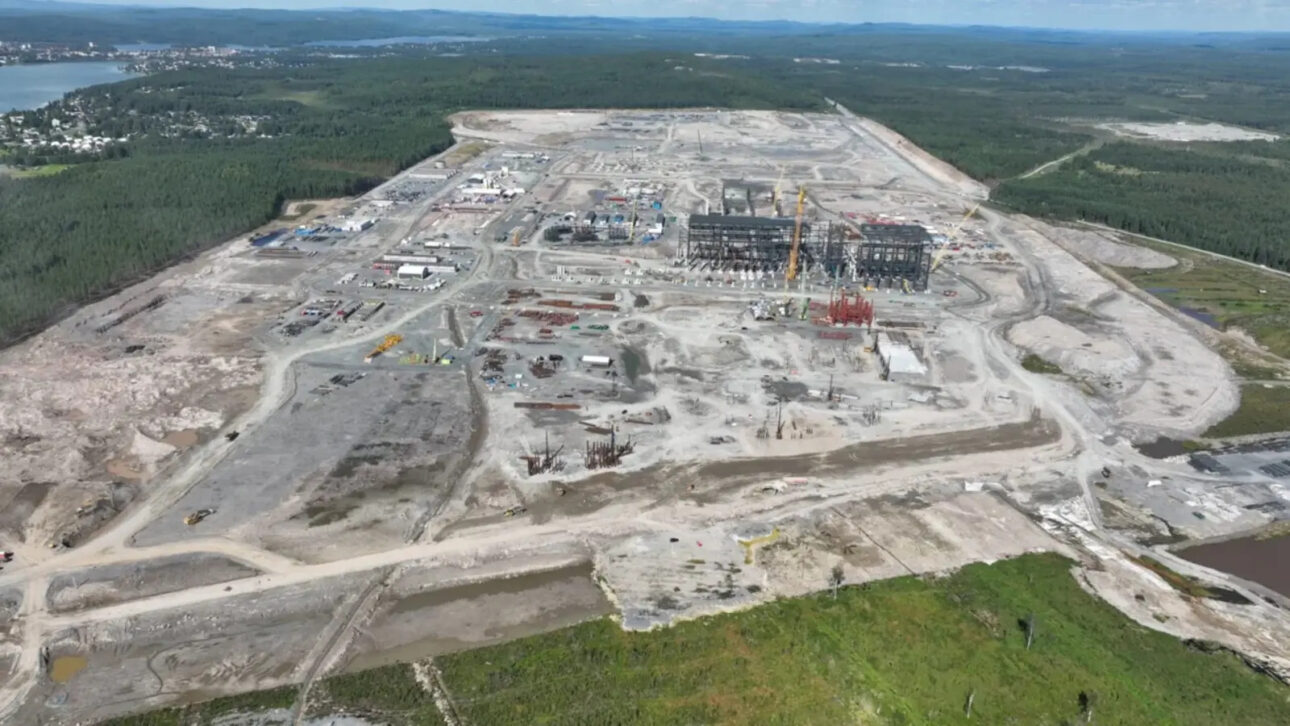
Why the change in steel matters
Steel is present in cars, refrigerators, buildings, and much of modern infrastructure. At the same time, steel production accounts for about 8% of global CO₂ emissions, according to the consulted source.
The central point is in the traditional process. To transform iron ore into metal, the steel industry uses coal, which removes the oxygen from the ore. The problem is that this reaction releases CO₂ on a large scale.
See also
-
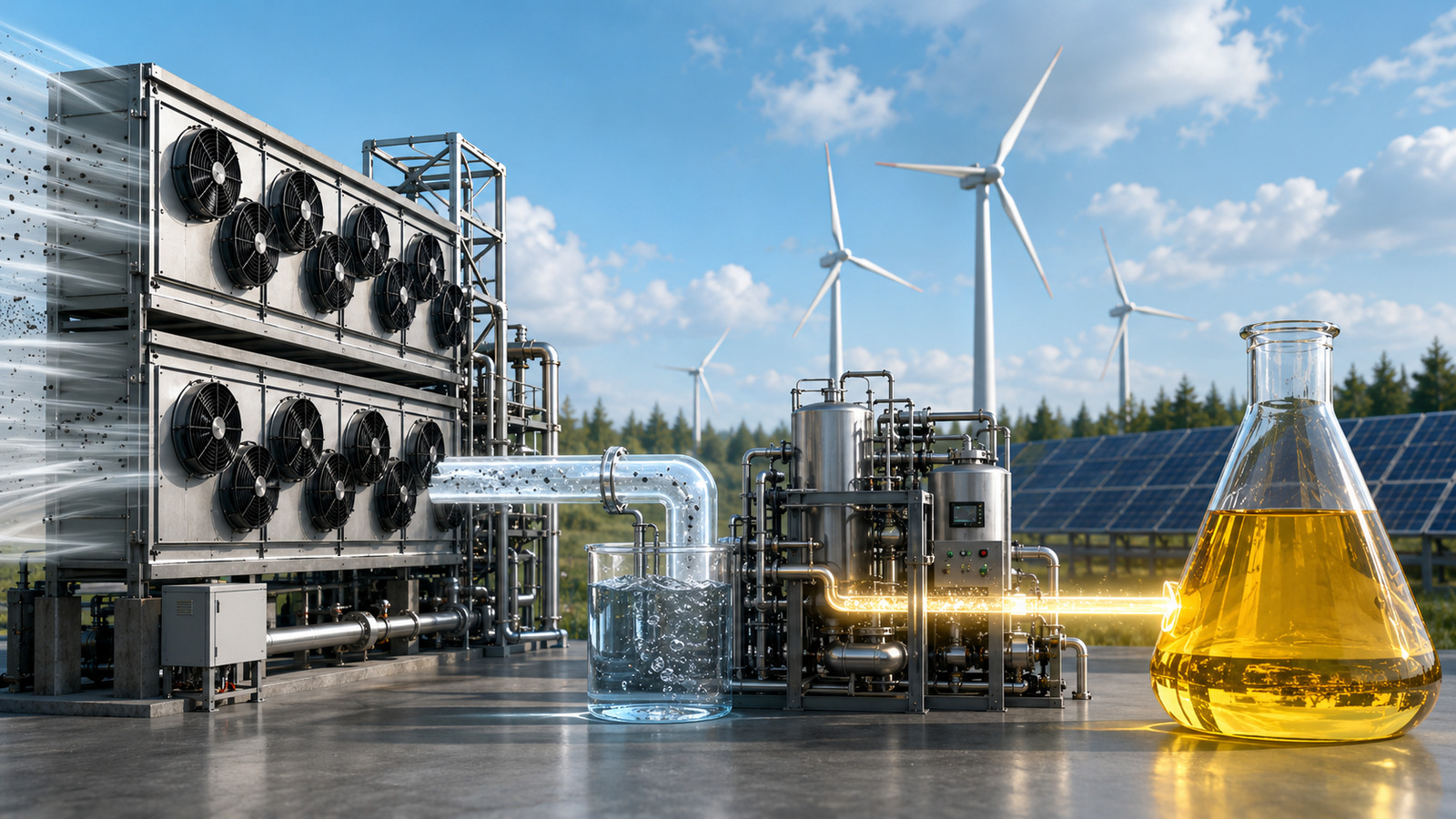
Swedes manage to create synthetic fuel with CO₂, water, and renewable energy, compatible with current engines, but face a huge problem: the energy expenditure is still double the return.

-
Brazil begins to transform wheat, residues, sweet potatoes, and soy molasses into ethanol, in a new phase of biofuels that seeks to utilize leftovers from the field and industry to fuel flex-fuel cars.

-
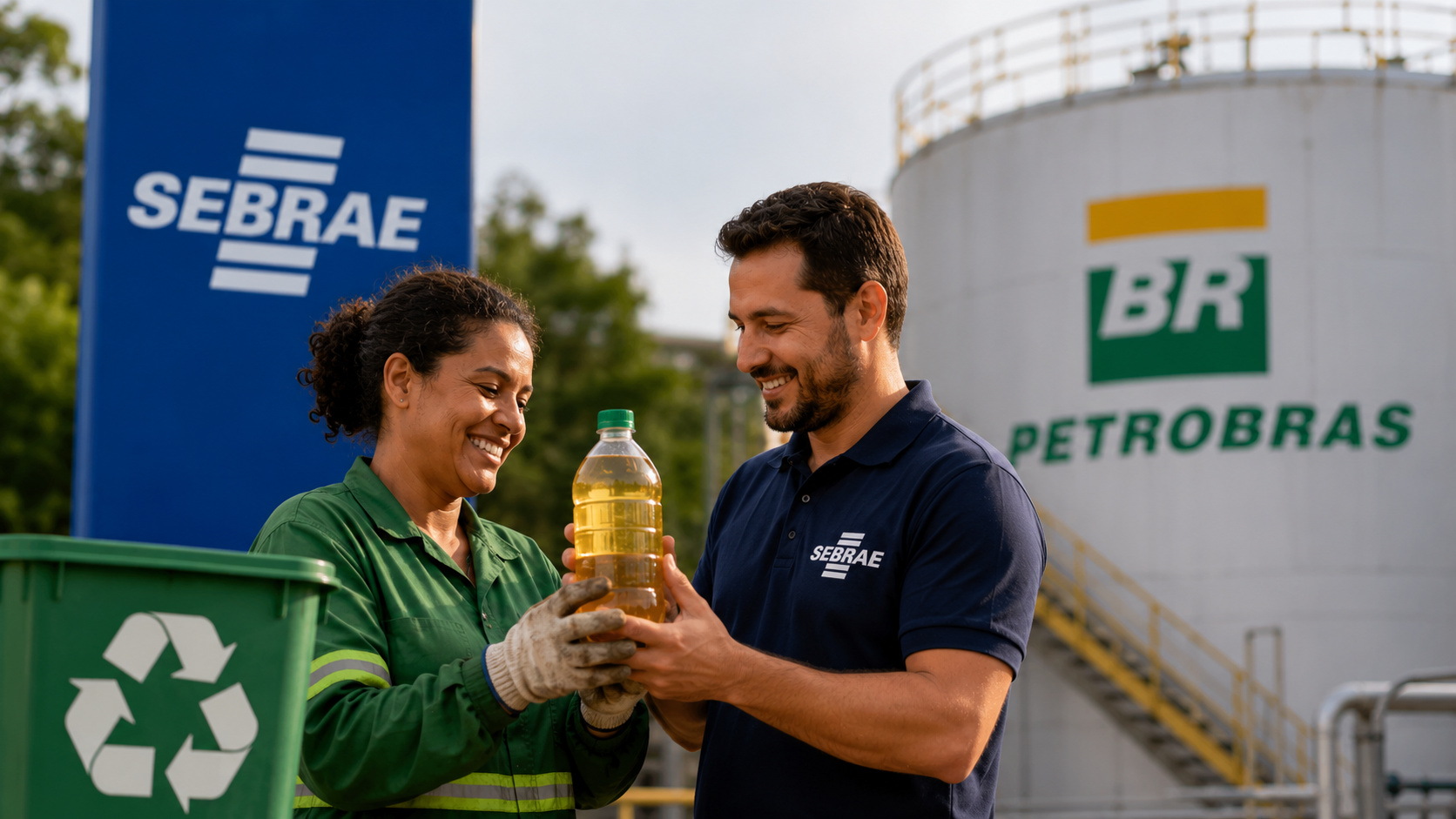
Sebrae and Petrobras join forces in Ceará to include waste pickers in the circular economy and strengthen the biofuel chain, creating new income opportunities and expanding the sustainable use of waste with a direct impact on regional development.

-
São Paulo teaches the world about biomethane: record production can supply 2.8 million homes and replace 4,000 diesel buses
Stegra’s proposal is to replace this stage with green hydrogen. With this, the company claims that the process can produce steel with up to 95% fewer emissions compared to the conventional method.
How the Boden plant works
The unit is located in Boden, a Swedish region with hydropower and wind energy supply. This renewable energy powers a large-scale electrolyzer, described in the base material as the first “giga” scale in Europe.
The electrolyzer splits water into hydrogen and oxygen. Then, the hydrogen is used to remove the oxygen from the iron ore, producing what is called sponge iron.
The most important difference is in the byproduct. In the traditional process, the reaction generates CO₂. In Stegra’s model, the reported byproduct is water vapor.
The initial production forecast is 2.5 million tons per year. In the future, the capacity could reach 4.5 million tons annually, according to project data.
Initial production already has buyers
Besides the technological advancement, the project already shows signs of commercial demand. According to the base material, half of the initial production of the Boden plant is already sold.
This data shows that low-carbon steel does not appear only as a technical promise. There are buyers interested in the product even before the planned start of industrial operation in 2026.
The Swedish plant is presented as the first step of a larger ambition. Stegra is also considering units outside Sweden, with the Sines project in Portugal cited as the most advanced.
In the Portuguese case, the final investment decision still depends on large volumes of energy, estimated between 1,000 and 1,500 MW.
Vale and Maranhão enter the expansion map
Brazil appears directly linked to Stegra’s expansion strategy. The company signed an agreement with Vale to study the development of low-carbon industrial hubs in Brazil and North America.
The agreement involves iron ore briquettes, sponge iron, and green hydrogen. For Vale, according to the base material, the initiative represents an entry point into the hydrogen market.
Another Brazilian point mentioned is Maranhão. The state government is negotiating with Stegra to implement a plant linked to the green hydrogen chain and ore beneficiation.
The proposal is to transform the iron exported in its raw form into a higher value-added product. The base material also points out that the combination of abundant renewable energy, quality iron ore, and scale favors few places in the world, including Brazil.
The Boden plant, therefore, does not only mark an industrial change in Sweden. It opens a race for new low-emission steel production hubs, connecting technology, renewable energy, iron ore, and international production chains.
This article was prepared based on information from the provided base material, with data, numbers, and statements preserved as per the consulted material.


