

SEPTA showcases solar retrofits, green roofs, and hydrogen buses reducing emissions
SEPTA Highlights Green Projects for Earth Day
SEPTA’s marking Earth Day 2026 by showcasing sustainability projects that’ve transformed its southeastern Pennsylvania transit system over the past year. Transit officials said the initiatives range from solar-powered equipment to green infrastructure that manages millions of gallons of stormwater. The agency’s celebrating with a public event April 22 from 11 AM to 2 PM at 1234 Market Street, where riders can learn about environmental improvements across the network.
Infrastructure Upgrades Reduce Environmental Impact
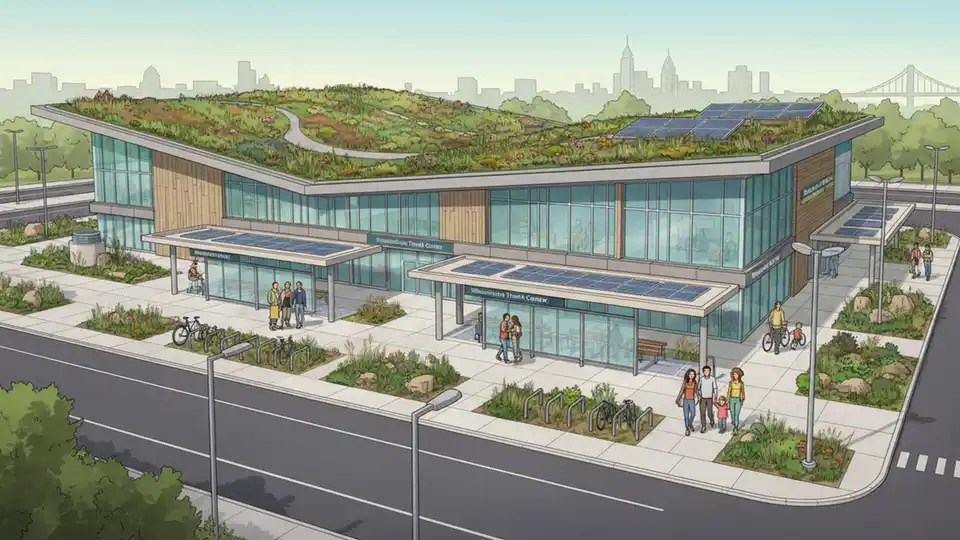
The Wissahickon Transit Center, which opened in December 2025, represents one of SEPTA’s most visible green investments. The facility features a 0.8-acre green roof and rain gardens that divert 1.8 million gallons of stormwater annually from the Schuylkill River watershed, according to the transit agency. Officials said the center demonstrates how transit infrastructure can serve multiple environmental purposes beyond moving passengers. Similar stormwater management projects have been implemented at other SEPTA facilities across the region.
Solar and Hydrogen Projects Cut Fuel Consumption
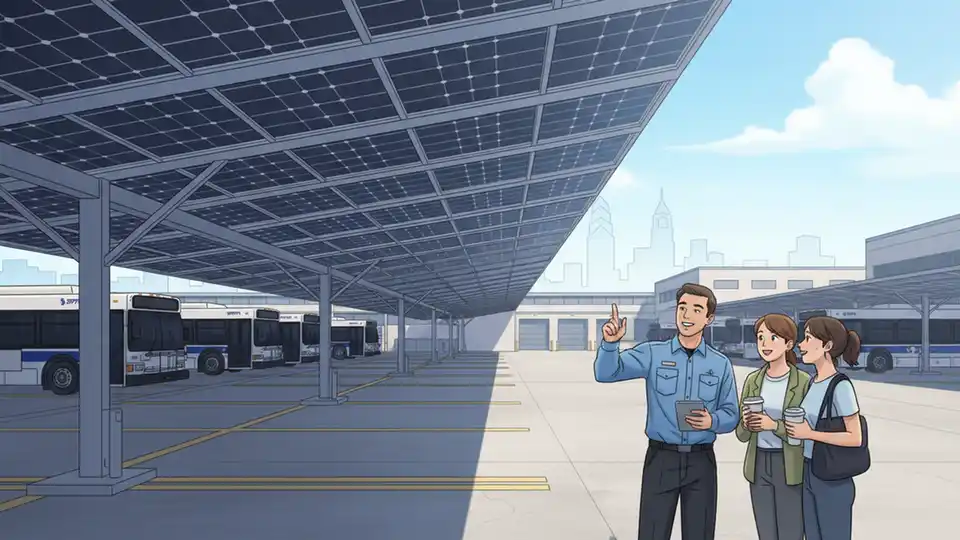
SEPTA’s Ballast Car Solar Retrofit Project converts two ballast cars into solar-powered units, eliminating 4,708 gallons of diesel fuel annually and replacing 10 diesel dump trucks, officials said. The Elk Hill Solar Farm in Franklin County generates 42 MW of renewable energy, offsetting 16% of SEPTA’s annual electricity demand and producing $950,000 in net revenue since 2021. A hydrogen fuel cell electric bus pilot launched in summer 2025 tests 10 zero-emission buses that produce only water vapor. Transit officials said these projects reduce both environmental impact and long-term operating costs.
Stormwater Management Expands Across Facilities
The Wyoming Complex Stormwater Retrofit includes 10 rain gardens and detention basins managing stormwater from nearly 15 acres, according to the transit agency. The Midvale Green Shield & Fencing Project adds native plantings and pervious surfaces to reduce runoff around the Midvale Bus Depot. Officials said these green infrastructure projects help manage stormwater while reducing strain on municipal systems. The initiatives complement SEPTA’s broader sustainability strategy that’s been implemented across multiple facilities since 2021.
Riders Benefit from Green and Accessibility Improvements
The sustainability projects complement rider-focused improvements like dedicated stroller zones introduced on 125 buses in May 2025, which improve safety and accessibility for families. Officials said the environmental initiatives demonstrate how transit agencies can reduce their carbon footprint while maintaining reliable service. Riders can track SEPTA routes and get real-time updates through Moovit, which provides trip planning for the transit system’s expanding network of sustainable services.


