

While the Engine Carbon Clean (ECC) system doesn’t power the engine with hydrogen, it uses a small device that creates oxyhydrogen gas from water and feeds it into the air intake while the engine runs. This helps remove built-up carbon deposits inside the engine to improve efficiency.
After successful trials, the two companies have committed to using Advanced Hydrogen Technologies’ (AHT) product across their operations.
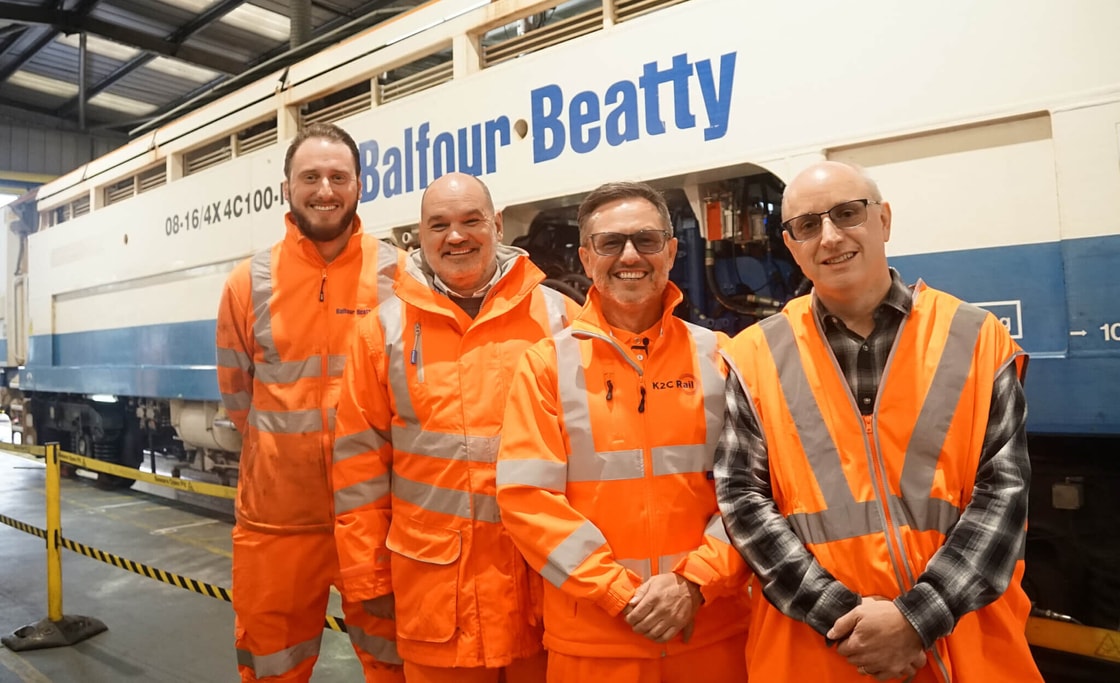
Infrastructure firm Balfour tested the system on rail maintenance equipment and reported nearly a 16% emissions reduction. It now plans to use ECC across its tamper fleet.
Meanwhile, ICL tested it on trucks and saw more than a 7% cut in emissions and fuel use and has proposed plans for a broader rollout.
Both companies said ECC fits easily into normal maintenance schedules, extends engine life, reduces downtime, and helps meet sustainability targets without replacing existing diesel machinery.
“The technology is already proven on road vehicles with similar engine types, achieving fuel and CO₂ savings between 7-30%,” explained Ben Kattenhorn, CEO of AHT’s Engine Carbon Clean.
“Rail is one of the sectors most under scrutiny, but ECC offers an immediate solution, and fully aligns with the new ESG compliance requirements of the International Financial Reporting Standards mandate.”
Kattenhorn added, “The ICL trial results have also been very encouraging and delivered tangible improvements – even after just two cleans – but the benefits will increase further with the recommended four cleans per annum.”
Never miss a hydrogen headline
Hydrogen moves fast – stay on top of it with our daily and weekly briefings.
- Daily: The top five hydrogen stories, straight to your inbox
- Weekly: The week’s biggest news, features, interviews and analysis
- North American Bulletin: Dedicated coverage of the region’s key hydrogen developments
Sign up for free


