

 The consortium worked closely with the Industrial Development Corporation (IDC) of South Africa, as the project counterpart, to ensure alignment with South Africa’s wider development and just energy transition plans.
The study examines the port infrastructure, commercial pathways and enabling conditions needed to support an export-led green hydrogen hub in South Africa’s Eastern Cape. Also, it creates the foundations for domestic decarbonisation, local skills development, jobs and broader economic growth.
Working as an integrated team, the partners combined academic research, engineering and technical assurance, infrastructure expertise, policy and standards analysis, economic modelling and commercial project-development experience. This multidisciplinary approach enabled the consortium to examine the proposed export corridor from technical, regulatory, financial, environmental and social perspectives.
The consortium assessed several potential hydrogen carriers for a large-scale export scenario around 2030, including green ammonia, liquid hydrogen, green methanol and liquid organic hydrogen carriers (LOHCs). The analysis considered energy efficiency, technical feasibility (i.e., TRL), operational practicality including infrastructure readiness, carrier and infrastructure costs, as well as environmental impact and toxicity and safety.
Other carriers, including hydrilyte, were discounted at this stage due to technology-readiness considerations, but must be further examined in future research considering their potential to scale beyond 2030.
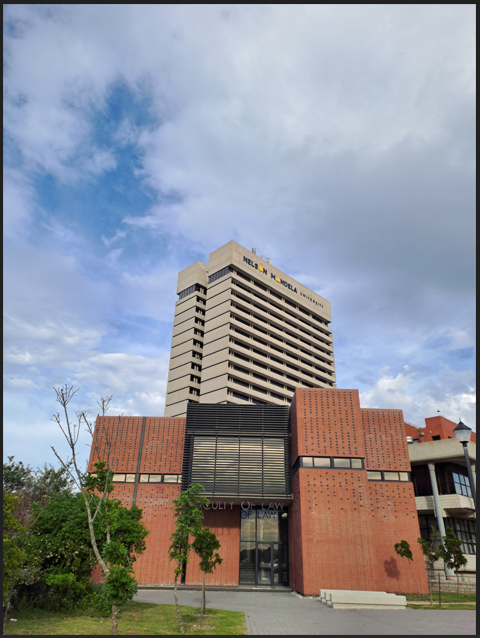
Each organisation contributed complementary capabilities to the work. Ikigai contributed their extensive renewable energy development experience and understanding of enabling infrastructure, with DNV leading on the technical elements, University College London on the hydrogen carrier comparison, University of Kent on economic modelling and Mandela University contributing on socio-economic impact in the Eastern Cape.
The consortium also engaged closely with industry, government, investors, technical experts and potential users of green hydrogen derivatives in South Africa, Japan, the European Union and the UK.
The consortium also undertook extensive investor engagement, bringing in the perspectives of different investor types on project deliverability, risk allocation and potential mitigations. This dialogue was essential in moving the work beyond technical ambition towards the bankable conditions required to deliver major green hydrogen infrastructure.
A key element of the work was the project team’s collaboration with representatives of the South African Government on a visit to stakeholders across Japanese industry and government.
These discussions helped participants align perspectives around a potential green hydrogen corridor between the Eastern Cape and Japan, including the practical requirements for credible long-term demand, infrastructure development and cross-border cooperation.
Recent global events further highlighted the links between energy security, fertiliser supply and food security, with disruptions to gas and shipping flows contributing to higher fertiliser prices and production constraints; this underlines the strategic importance of developing diversified, resilient sources of low-carbon hydrogen and ammonia that are less exposed to fossil fuel and geopolitical volatility.
The anchor project considered in the study is the HIVE green ammonia export project, which is targeting production of approximately one million tonnes of green ammonia for export by 2029 from the Port of Ngqura.
Helena Anderson, Co-Founder of Ikigai Group, said: “Green hydrogen corridors cannot be developed in isolation. They become deliverable when development expertise, port readiness, credible market demand and investor requirements are aligned across borders from the outset. This study shows what can be achieved when governments, academia, industry, infrastructure partners and investors work together to build a pathway that is both locally valuable and internationally competitive.”
Professor Sibongile Muthwa, Vice-Chancellor of Nelson Mandela University, said: “The development of a green hydrogen economy in the Eastern Cape presents a significant opportunity for public-private partnerships to drive innovation and build the skills needed to support this growing sector.
“This feasibility study demonstrates how targeted interventions, such as establishing a Green Hydrogen Innovation Zone in the Coega area, could unlock further investment in clean technologies while creating new opportunities for local communities.
“The involvement of Nelson Mandela University in the study reflects our engagement philosophy of working with government, the private sector and other relevant stakeholders to address pressing societal issues – in this case, promoting environmental sustainability, supporting employment, inclusive economic growth, and the long-term success of South Africa’s energy transition.”
Lisa Weedon, Acting British High Commissioner to South Africa, said: “The UK is proud to have supported this important feasibility study through UK PACT, in partnership with South African and international experts.
The study provides timely evidence on how the Eastern Cape can position itself as a competitive green hydrogen export hub, while also supporting South Africa’s wider ambitions for inclusive growth, industrial development and a just energy transition.”
The workstreams delivered through the study include demand analysis across relevant export markets, comparative assessment of green hydrogen carriers, regulation, health, safety and environmental analysis, comparative review of hydrogen policy and standards, techno-economic assessment of export routes and end uses feeding into an economic model assessing levelised hydrogen costs, an outline business case and the assessment of skills and job-creation potential.
The consortium was supported by the IDC, HIVE, Advantage Partners, the Development Bank of Southern Africa and Nedbank, and funded by FCDO and DESNZ through the UK PACT programme.


