

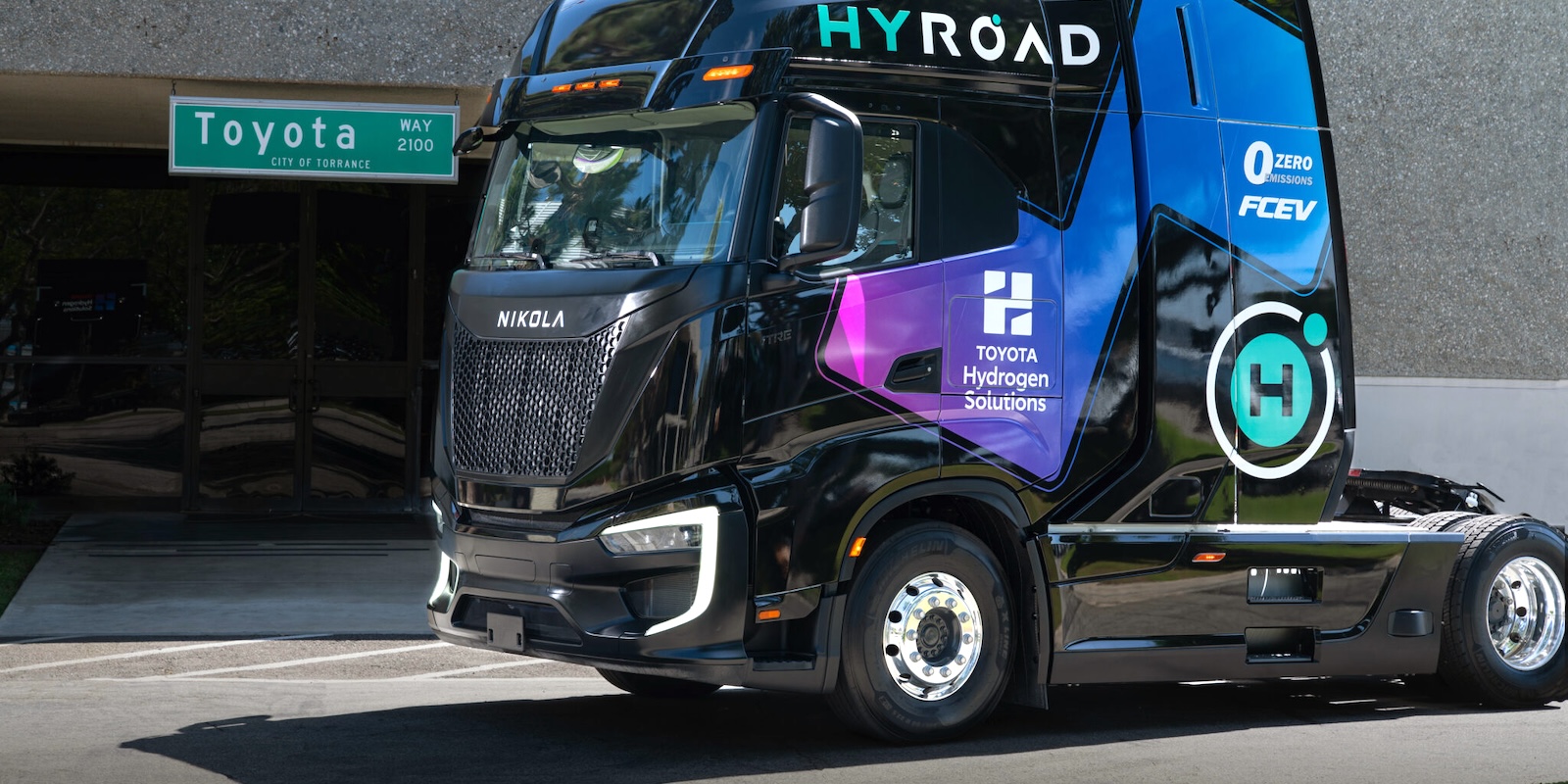
Hydrogen heavy trucks are being displaced by electric ones, as advancements in batteries and charging infrastructure eat away at the advantages of hydrogen, according to Sinopec’s internal magazine.
For years, hydrogen fuel cell vehicles have been considered as a potential clean, more energy-dense option than battery electric vehicles, and one which particularly would work well in energy-intensive applications like heavy trucks.
But the story starts to break down a bit as you look deeper.
While hydrogen is more energy-dense, it has to be held securely under pressure, and the hydrogen molecule is tiny and tends to escape, so infrastructure and tanks need to be overbuilt to try to keep it in check. This eats away at some weight advantages, as the tanks alone on a heavy truck can weigh over a thousand pounds.
While it is more clean than gasoline and diesel, it’s less clean than battery electric, because of the energy inefficiencies inherent in creating, distributing and using it.
And while it is potentially non-fossil-based if “green hydrogen” – hydrogen made by using renewable electricity to break up water molecules – is used, the vast majority of hydrogen currently on the market comes from cracking hydrocarbon molecules, mostly methane, meaning that hydrogen vehicles are usually still running on fossil fuels.
For this reason, oil companies have shown significant interest in hydrogen. All the way back in 2003, George W. Bush proposed a commitment to hydrogen-powered cars. This raised eyebrows – why would an oil man and environmental terrorist suddenly push a supposedly green technology?
It turns out, if you need a lot of hydrogen, companies with giant stockpiles of hydrocarbons are happy to sell it to you. This is why some ~98% of current hydrogen comes from fossil fuels.
So, the world’s second-largest oil company, Sinopec, China’s state-run oil company, is obviously interested in developments in hydrogen.
It recently posted an update on hydrogen on its in-house news site, claiming that hydrogen has crossed the “death valley” of new technology adoption. The cost of hydrogen equipment and of hydrogen itself is dropping, and the efficiency of hydrogen fuel cells is increasing.
However, Sinopec’s update points out that it’s not all good news. Due to China’s extremely rapid advancement in electric vehicles, battery electric trucks have started outcompeting hydrogen ones.
In the past, it was generally believed that electric vehicles would replace gasoline-powered vehicles, while hydrogen-powered vehicles would replace diesel-powered ones. The comparative advantages of hydrogen-powered heavy-duty trucks were considered to be zero emissions and long range. However, with advances in electric vehicle technology and the development of charging and battery-swapping infrastructure, there is a growing trend for electric heavy-duty trucks to take over the traditional application scenarios for hydrogen-powered vehicles—namely, “medium-to-heavy loads and long range.”
-Sinopec News (Machine-translated from Chinese)
China has been rapidly deploying EVs in consumer applications, including ultra-fast 1.5MW charging which is several times faster than what we have in the US. In fact, those 1.5MW chargers for light-duty cars are even faster than some of the US’ fastest heavy truck chargers.
And while electrification of heavy duty trucks in China has lagged somewhat behind that of consumer vehicles, EV trucks are starting to surge and the government has turned its focus in that direction.
The Chinese government’s new five-year plan, the document which controls Chinese government and national priorities, includes mentions of both battery electric trucks and hydrogen trucks, but battery trucks are spoken of as a current technology and hydrogen is treated as it’s still under study for the future.
It’s clear that one of the two has more momentum than the other, and given the energy efficiency advantages and state of infrastructure development, plus the ability to share some of that infrastructure with consumer vehicles (battery manufacturing, charging deployment, potentially battery swapping), it seems that hydrogen might not have a chance to get a foothold in heavy trucking.
Sinopec does say that hydrogen has a chance to still find a niche in long haul applications, given its potentially higher range and payload capacity, but that finding that niche in a world with high market penetration of EVs will be challenging.
Charge your electric vehicle at home using rooftop solar panels. Find a reliable and competitively priced solar installer near you on EnergySage, for free. They have pre-vetted installers competing for your business, ensuring high-quality solutions and 20-30% savings. It’s free, with no sales calls until you choose an installer. Compare personalized solar quotes online and receive guidance from unbiased Energy Advisers. Get started here. – ad*


FTC: We use income earning auto affiliate links. More.


