

The Hydrogen Adige Valley has entered operation in Bolzano, combining renewable electricity generation, green hydrogen production and hydrogen refuelling infrastructure for public transport.
The project, developed by public transport carrier SASA, the Autonomous Province of Bolzano and energy utiity Alperia, was completed one year after construction began on 25 June 2025. It integrates a photovoltaic plant, a 2 MW electrolyser and hydrogen refuelling infrastructure at SASA’s depot in Bolzano South to supply zero-emission public transport.
After more than a decade of operational experience with hydrogen, we now have a local supply chain that integrates energy production, refueling, and use in public transport. The Hydrogen Adige Valley demonstrates that innovation, sustainability, and service quality can go hand in hand and offers the region a concrete tool to address the challenges of the coming years.
Astrid Kofler, President of SASA
Hydrogen Adige Valley for renewable energy and H2 production
Hydrogen Adige Valley (HAV) received funding through the European Union‘s Next Generation EU programme and represents a total investment of approximately €35 million.
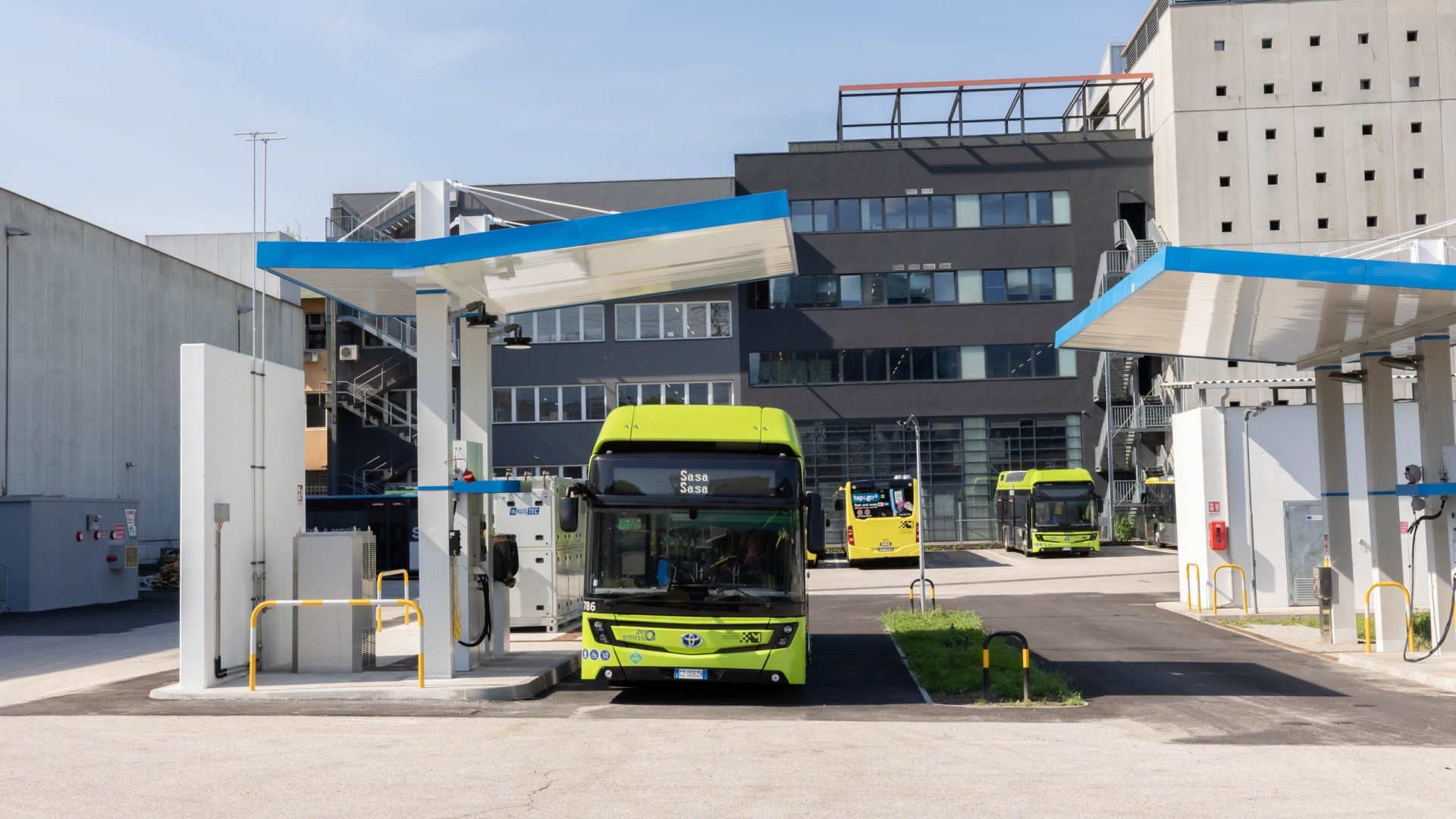
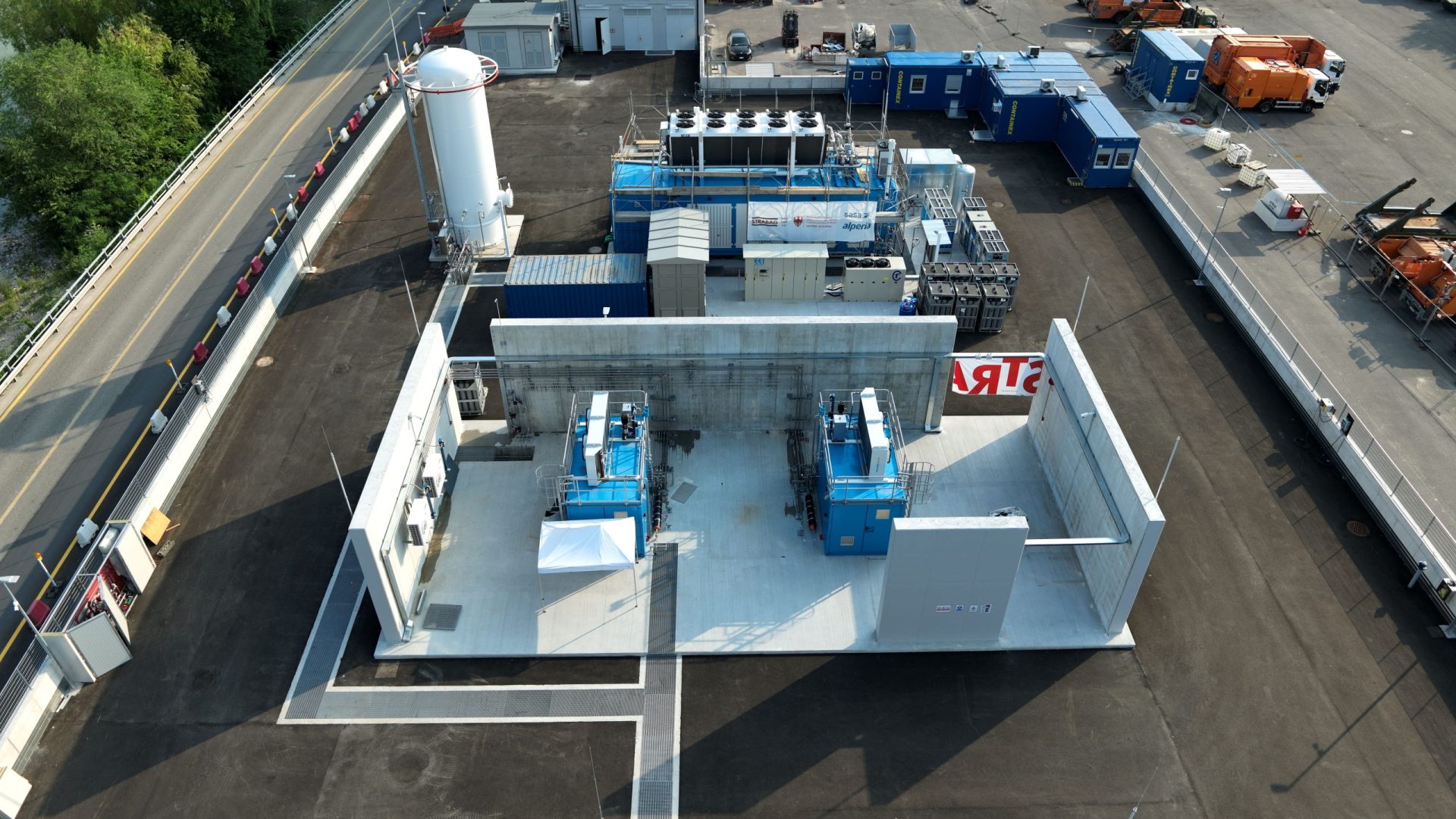
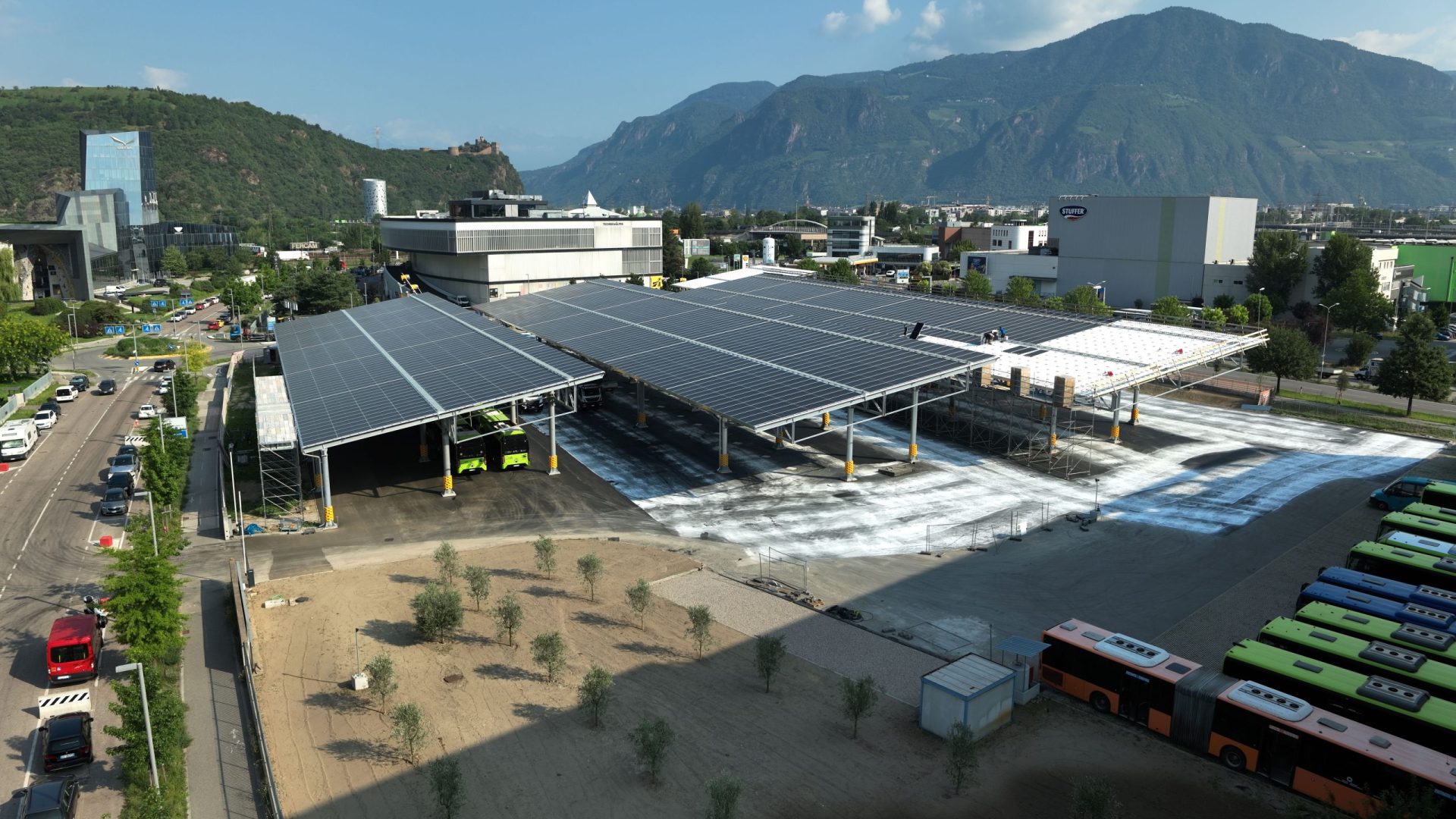
The project includes a 2 MW green hydrogen production plant capable of generating at least 360 kilograms of hydrogen per day, corresponding to an estimated annual production of around 130,000 kilograms. A dedicated 1.5 MW photovoltaic installation provides renewable electricity for the electrolysis process, with estimated annual generation of 1.89 GWh.
In brief
- What is Hydrogen Adige Valley? It is an integrated project combining solar power, green hydrogen production and hydrogen refuelling infrastructure for public transport in Bolzano.
- How much hydrogen will it produce? The 2 MW electrolyser is expected to produce about 130,000 kg of green hydrogen per year.
- How much renewable electricity will the project generate? The dedicated 1.5 MW photovoltaic plant is expected to generate around 1.89 GWh annually.
- What are SASA’s fleet plans? SASA currently operates around 50 zero-emission buses and aims to exceed 120 by 2030.
The hydrogen produced will supply local public transport and the hydrogen refuelling stations in Bolzano and Merano.
The photovoltaic system has been installed above a bus parking area.
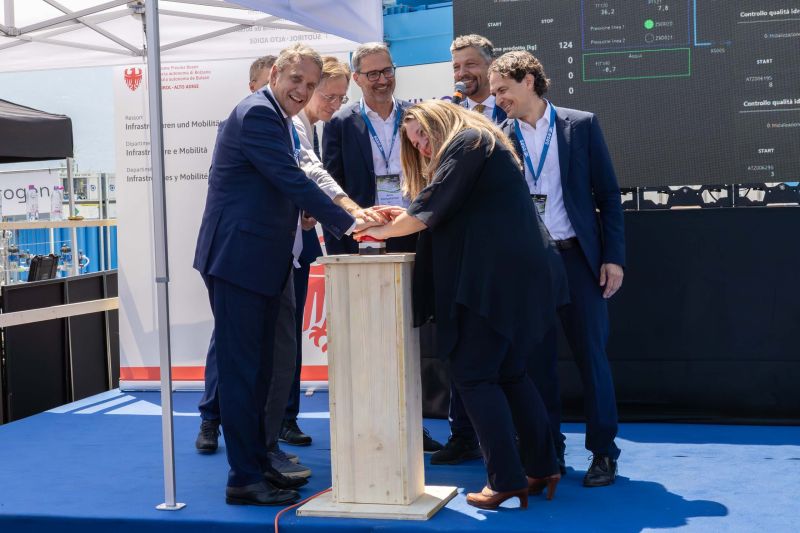
SASA targets more than 120 zero-emission buses by 2030
Today SASA operates around 50 zero-emission buses within a fleet of approximately 370 vehicles. The operator plans to expand this number to more than 120 zero-emission buses by 2030 through a combination of battery-electric and hydrogen fuel cell buses.
SASA was the first public transport operator in Italy to introduce hydrogen buses, beginning its investment in hydrogen mobility more than a decade ago. Then, the company procured fuel cell buses from Solaris in 2019, Daimler Buses in 2023 and CaetanoBus also in 2023, with delivery performed later on. The Hydrogen Adige Valley project adds local renewable hydrogen production and refuelling infrastructure to support the operator’s hydrogen fleet.
The project was delivered with the participation of Strabag, Hydroalps, IIT Hydrogen, Metall Ritten, Elpo and Unionbau.
At the inauguration, the project partners stated that Hydrogen Adige Valley integrates renewable energy production, green hydrogen generation and sustainable public transport into a single energy ecosystem.
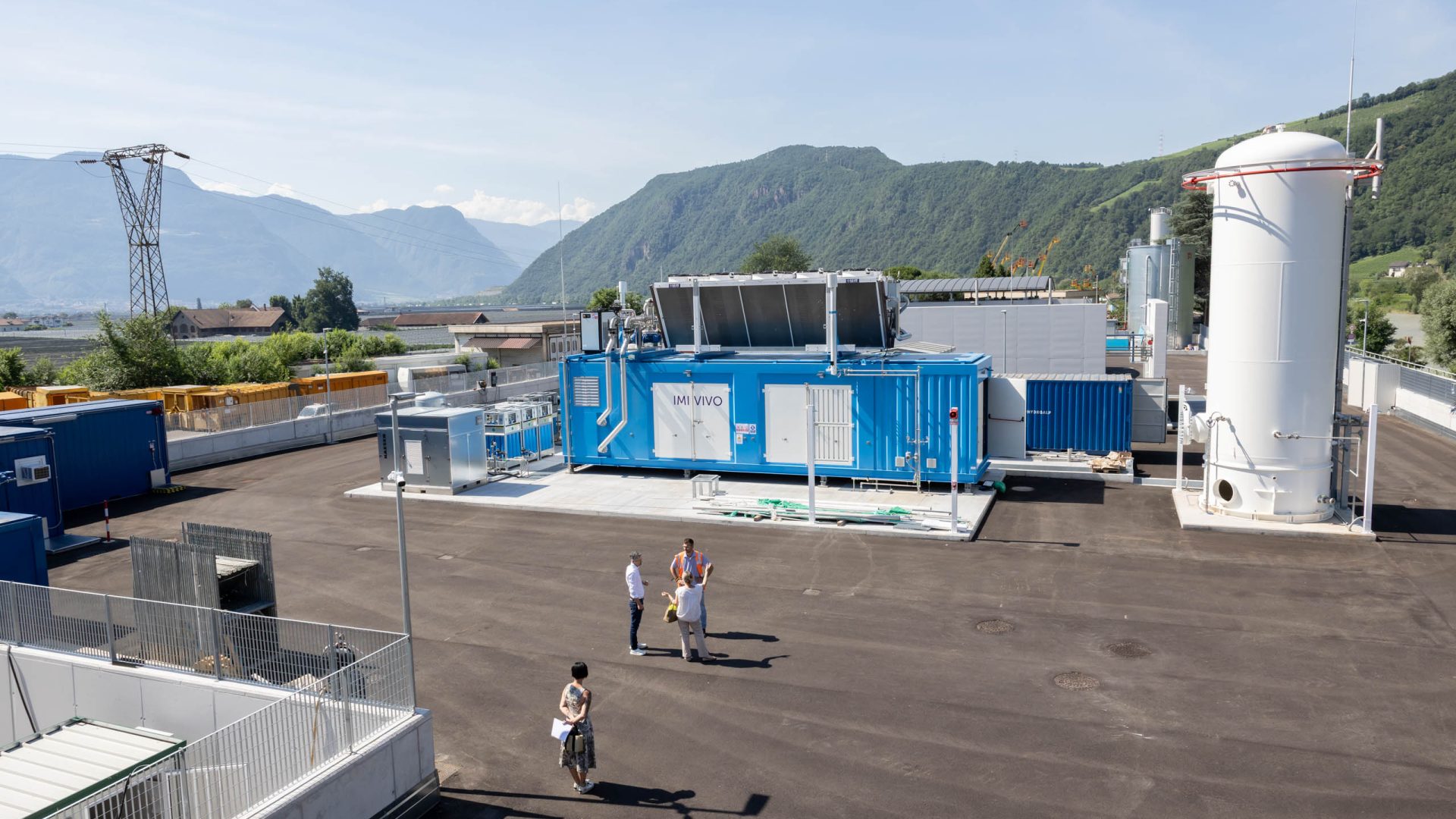
Daniel Alfreider, Vice President of the Provincia Autonoma di Bolzano and Provincial Assessor of Mobility and All Infrastructure: “The inauguration of the Hydrogen Adige Valley represents the result of a vision of construction at a fast pace. The Alto Adige region has been around for years to invest in temporary mobility and also dispose of an infrastructure that can be used to produce energy throughout the territory, eliminate emissions and reduce the energy autonomy”.
Astrid Kofler, President of SASA: “This day represents a historic milestone for SASA. After more than a decade of operational experience with hydrogen, we now have a local supply chain that integrates energy production, refueling, and use in public transport. The Hydrogen Adige Valley demonstrates that innovation, sustainability, and service quality can go hand in hand and offers the region a concrete tool to address the challenges of the coming years.”
Luis Amort, General director at Alperia: “The energy transition requires infrastructure, investment, and a long-term vision. With the Hydrogen Adige Valley, South Tyrol is taking a significant step toward greater energy independence, leveraging local renewable sources and creating an integrated energy and mobility model that looks to the future with responsibility and ambition.”


