

A 7.5-tonne unmanned cargo aircraft powered by AEP100, China’s independently developed megawatt-class hydrogen-fueled turboprop engine, successfully completed its maiden flight on Saturday at an airport in Zhuzhou, central China’s Hunan Province.
This marks the world’s first test flight of a megawatt-class hydrogen-fueled turboprop engine.
Experts from the Aero Engine Corporation of China (AECC) noted that the successful maiden flight highlights that China has now established a complete technological chain in hydrogen-fueled aviation engines, covering everything from core components to full engine integration. They added that this achievement lays the foundation for the industrial application of hydrogen energy in aviation.
As green hydrogen production costs fall, hydrogen aviation engines will show growing economic and energy security advantages, experts said. Hydrogen-fueled aero engine technology is expected to debut in low-altitude economy fields such as unmanned air freight and island logistics before gradually expanding to regional and mainline aircraft.
This technology will drive coordinated upgrades across industrial clusters, including upstream green hydrogen production, midstream storage, transportation and refueling infrastructure, and downstream high-end equipment and new materials. Ultimately, it will propel the green, low-carbon, and high-quality development of China’s aviation industry, experts added.
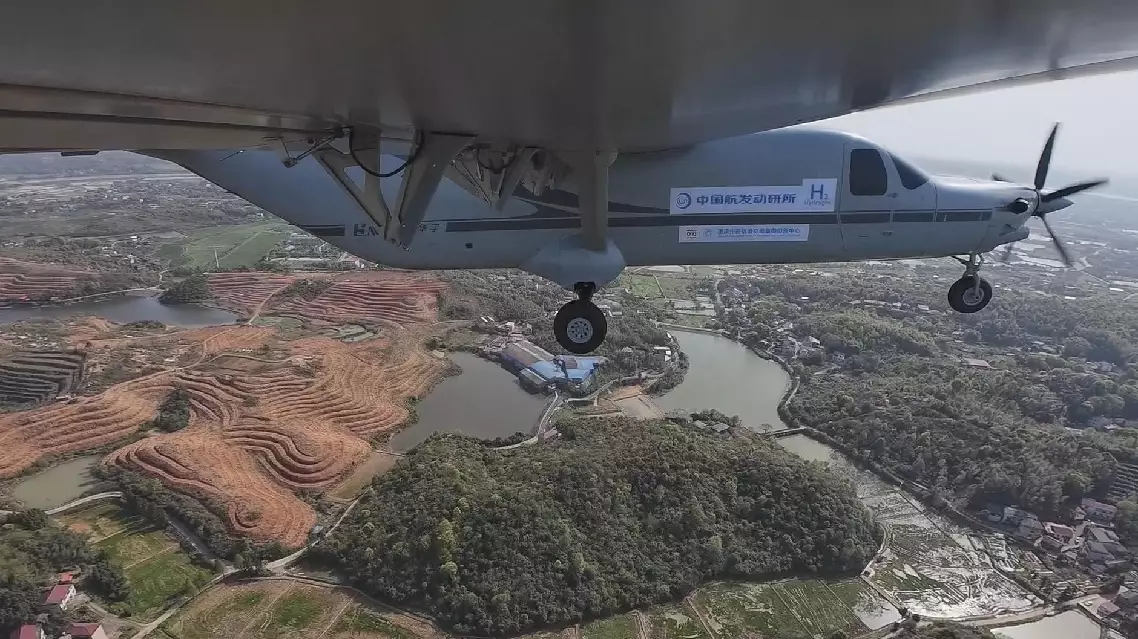
Megawatt hydrogen turboprop engine completes maiden flight in central China
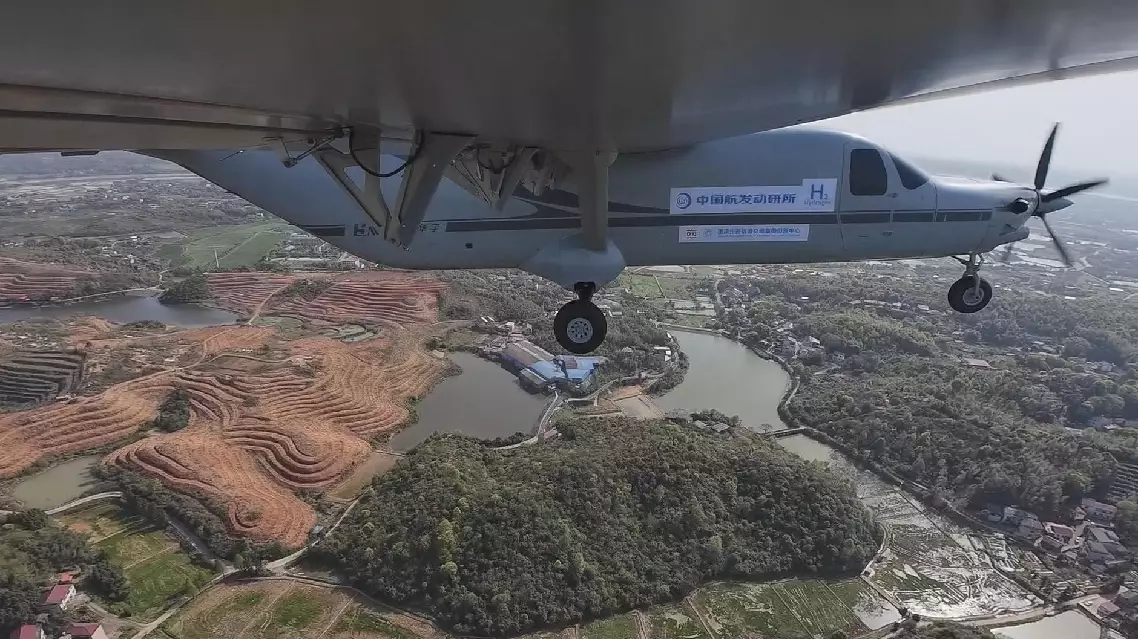
Megawatt hydrogen turboprop engine completes maiden flight in central China
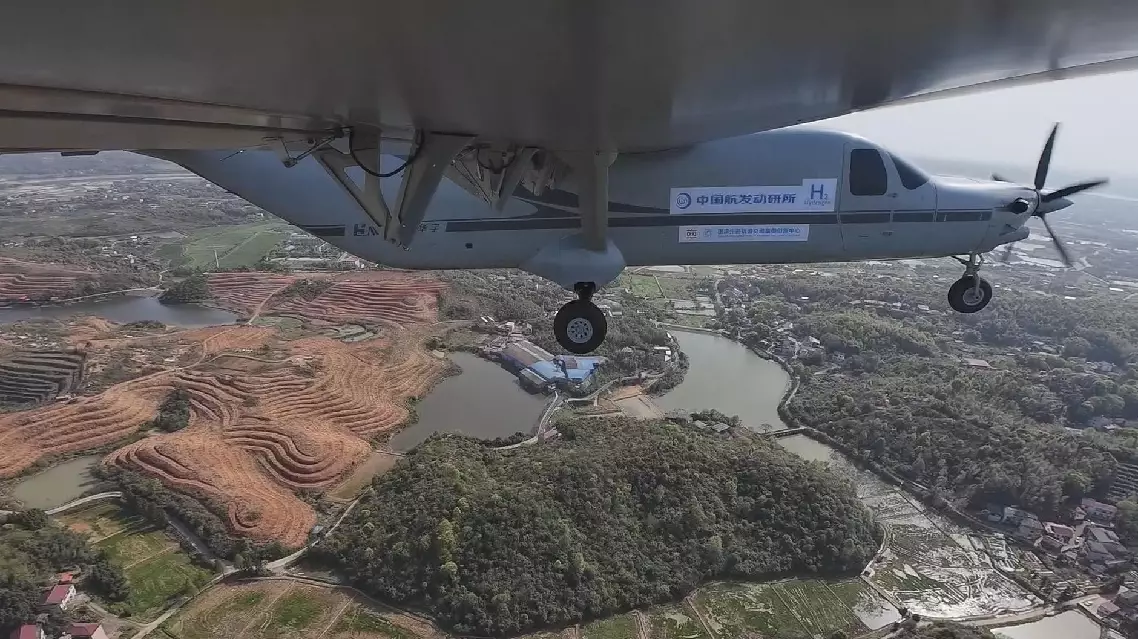
Megawatt hydrogen turboprop engine completes maiden flight in central China
The Republic of Korea (ROK) is seeing a surge in demand for plastic trash bags as concerns over potential disruptions to petrochemical supplies from the ongoing Middle East conflict prompt consumers to stockpile.
In ROK, residents are required to use government-designated bags to dispose of household waste. Without them, garbage won’t be collected, making them an essential part of daily life.
The surge in demand reflects fears that the Middle East conflict, which has disrupted oil flows and heightened uncertainty in global petrochemical markets, could choke supplies of naphtha, the raw material for South Korea’s garbage bags.
The government is now regulating naphtha exports to help ensure a stable domestic supply.
Climate, Energy and Environment Minister Kim Sung-whan has also assured the public that there are enough standard garbage bags in stock and that there is no need to stockpile or worry about price hikes. Despite such reassurances, many people are still buying ahead.
Sales of garbage bags in Seoul supermarkets have surged in recent weeks, with some stores now limiting how many each person can buy.
“It’s inconvenient because they’re unavailable. It’s frustrating. We need them, but the stores don’t have enough. What are we supposed to do?” said Han, a shopper.
“With garbage bags and plastic goods, there are a lot of difficulties right now because of raw material shortages. I just hope this conflict ends soon,” said Kim Man-seok, another shopper.
Experts say it is the fear of disruption, not the disruption itself, that is changing how people behave.
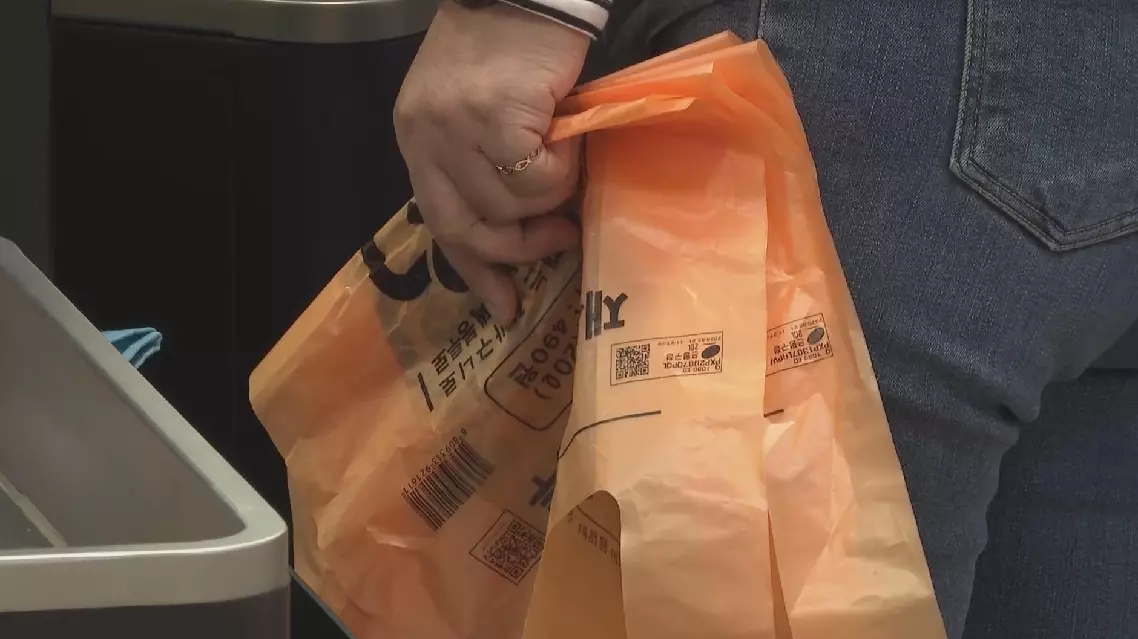
ROK sees panic buying of trash bags as Middle East conflict stirs supply fears


